Table of Contents
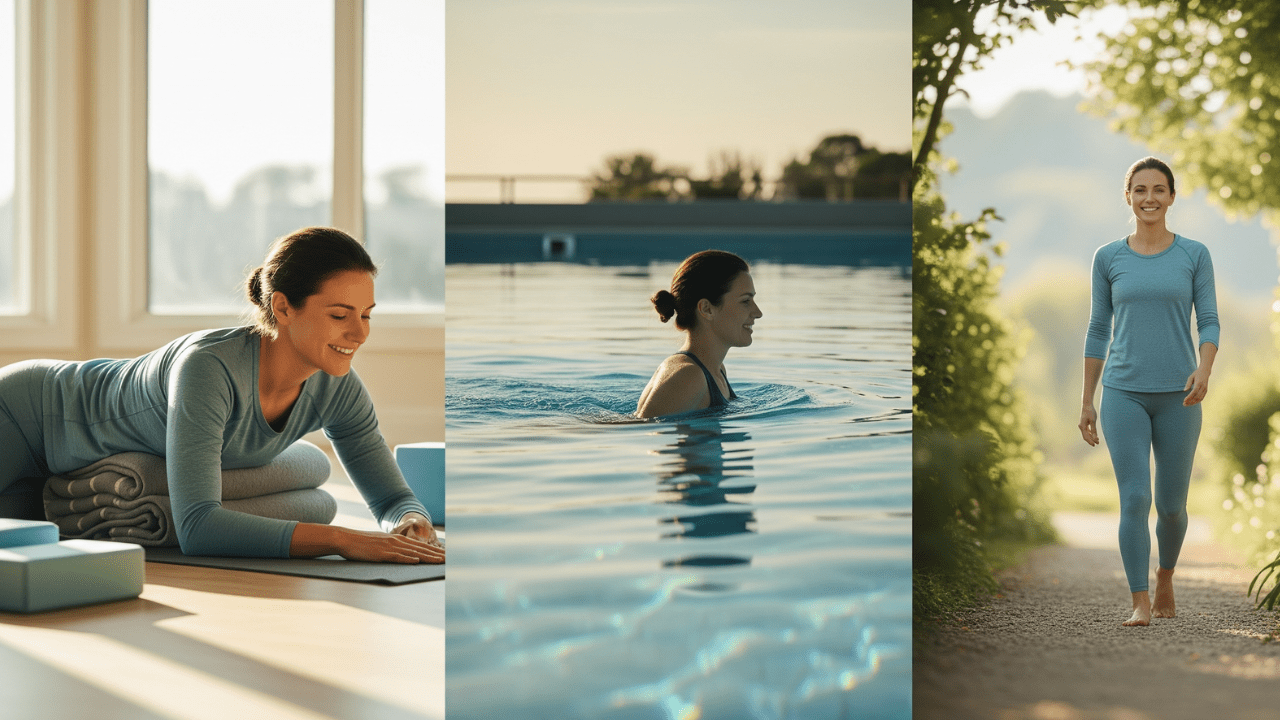
ToggleEndometriosis can cause chronic pelvic pain and fatigue, which can make exercise seem daunting. However, gentle, regular movement can help ease symptoms. In Perth’s warm climate, activities like swimming or early-morning walks along the river or Kings Park can boost your mood without overloading your body.
When learning how to exercise with endometriosis, it is important to focus on low-impact activities that support your body rather than stress it. Pilates, yoga, and light strength training can improve core stability, reduce inflammation, and promote better posture, which may help relieve pelvic pressure. Aim for consistency over intensity, listening to your body’s cues and adjusting your routine during flare-ups. By choosing gentle yet effective exercises, you can build strength, improve circulation, and support your overall well-being while managing endometriosis symptoms.
Doctors often recommend getting at least a few hours of moderate exercise each week for endometriosis. A balanced diet can stabilise body weight, regulate hormones (especially estrogen), and reduce endometriosis-related pain. Exercise also releases endorphins (“feel-good” hormones) and reduces inflammation, making pain more manageable.
Even though exercise isn’t a cure, sticking to a manageable routine can improve how you feel. Over time, gentle activity may strengthen your core and pelvic muscles, improve posture, and reduce bloating or discomfort. For example, research suggests that low-impact activity helps rebalance pelvic floor and core muscles, often tense with endometriosis, so yoga or Pilates can ease pain. Another review found that women who exercise regularly report lower overall pain and stress from endo, and doctors encourage an active lifestyle as part of care.
Safe Exercises for Endometriosis
Choosing low-impact exercises when learning how to exercise with endometriosis is crucial, as these movements minimise pelvic strain and discomfort. The following activities are often well-tolerated:
- Gentle Aerobic Exercise: Walking, swimming, or cycling on flat ground is ideal. These boost circulation and endorphins without straining your abdomen. Even a 15–20-minute brisk walk or water aerobics session can help lower inflammation and pain.
- Pelvic/Core Strengthening: Target the glutes, hips and low back. Try clamshells (side-lying leg lifts), bird-dogs (hands-and-knees arm/leg lifts), and glute bridges to build pelvic support. These exercises gently activate muscles around the pelvis and lumbar spine.
- Yoga and Pilates improve flexibility and core stability. Poses like Cat-Cow, Child’s Pose, and seated hip stretches lengthen tight hip flexors and glutes. Many women find that 20–30 minutes of restorative yoga or beginner pilates helps ease muscle tension and pelvic pain.
- Pelvic Floor Exercises: Gentle pelvic tilts or Kegels can ease backpressure. Diaphragmatic breathing and core engagement (as in Pilates “hundreds”) strengthen internal support without heavy strain.
- Low-Impact Cardio: In Perth, you might swim at your local pool or the ocean (cool relief!) or do an easy bike ride along the river. The key is steady movement. A study found that three sessions of moderate exercise per week improved pain outcomes for endometriosis.
In short, focus on movement that feels good, even light. Exercises that work your legs, glutes, back and core without crunching your tummy help support the pelvis and may reduce symptoms. You can adjust any exercise for comfort (e.g. use a chair for squats, or do water walking instead of land walking).
Exercises to Avoid
Some activities can overstress an endometriosis-sensitive body. In general, skip high-impact or intense exercises until your condition is well-managed:
- High-Impact Cardio: Running, jogging, jumping, burpees or box jumps. These rapid, jarring movements can jolt your pelvic organs and often worsen pain. Fast-paced classes or hill sprints may be too intense.
- Heavy Ab Workouts: Crunches, sit-ups or high-resistance core machines that load the abdomen. These can strain the abdominal wall and lower back when you have endometriosis. Avoid these until you’ve gradually built up strength.
- Very Intense Sessions: Vigorous weightlifting or HIIT (high-intensity interval training) can surge your heartbeat and inflammation, potentially flaring symptoms. Talk with a doctor before trying vigorous routines; what’s “intense” is subjective.
It’s best to start slowly. For example, if you used to sprint or box-jump, substitute walking or step touches at first. One of our endo clients found even gentle changes helped: “Within one month, I noticed a huge change in my pain levels… dramatically reducing my nausea and other symptoms” with a tailored program. Listen to your body. If an exercise causes new or worsening pelvic pain, stop and try something gentler.
Checklist: Exercising Safely with Endometriosis
- Warm Up Gently: Begin each session with light stretching. Open up your hips and lower back (e.g., seated hip flexor stretch, gentle lunges, or knee-to-chest stretches). This “bracing release” helps muscles like the hip flexors and abdominals relax before you work out.
- Progress Gradually: Start by keeping workouts short (10–20 minutes) and slowly building up. For example, add a couple of minutes or an extra set each week as you feel stronger. A brisk 20-minute walk 3–4 times a week is a great start.
- Listen to Your Body: Pay attention to pain signals. Pelvic aching, headache or dizziness are warning signs. If you experience chest pain, extreme breathlessness, or pelvic pain that worsens, stop immediately and seek medical help. It’s important not to “push through” severe symptoms.
- Stay Comfortable in Perth’s Climate: Western Australia can be hot and dry. Exercise in cooler parts of the day (early morning/evening) or use a fan or air conditioning. Swimming or water workouts are excellent for Perth summers—the water’s buoyancy protects your joints and pelvis.
- Hydrate and Fuel Well: Drink plenty of water before, during and after workouts. Gentle, balanced meals and snacks can help maintain energy and reduce cramps. (Our specialists often include nutrition coaching alongside training to support endometriosis.)
- Cool Down & Recovery: End each session with a few minutes of gentle stretching or relaxation breathing. A warm shower or heat pad on the lower belly afterwards can soothe any lingering tightness.
- Keep a Log: Record what exercises you do and note your pain levels before and after. Over time, you’ll see patterns (e.g. “walking helps but jumping hurts”) that guide your choices.
Personalised Endometriosis Support in Perth
Managing endometriosis is easier with local support. MH Performance Coaching has two Perth gyms, Wangara (north of the river) and Myaree (south), staffed by experienced coaches and exercise physiologists who understand women’s health challenges.
Our trainers adapt Personal Training and Small Group Training programs to suit endometriosis-friendly workouts. Our coaches incorporate low-impact movements, gentle pacing strategies, and modifications tailored to your needs.
MH Performance Coaching also provides a dedicated Endometriosis Specialist service featuring a multidisciplinary team. If you’re unsure how to begin, we recommend booking a consultation. Our coaches will assess your current fitness level, design a gentle and sustainable exercise plan, and adjust it over time based on how your body responds. Virtual consultations are also available, making starting from home easily.
Ultimately, the key to exercising with endometriosis is balance. Keep moving in safe ways, but rest when needed. Every woman’s endo is different, so personalisation is essential. You can be active and manage pain more easily with the right approach and support.
The MH Performance Coaching team is here to guide you for personalised help. Our experts in Perth can create a workout plan that works for you and your symptoms. Visit our Endometriosis Specialist page to learn more and book a consultation at our Wangara or Myaree gym. Let us help you exercise safely and feel stronger despite endometriosis.