
Inflammation and recovery for women is often misunderstood, especially in busy, high-performing environments like Perth. Many women are told that taking a rest day is enough—but in reality, recovery is far more complex.
Hormones, stress, nutrition, and lifestyle all play a role in how the body heals, rebuilds, and performs.
If you’ve ever felt constantly fatigued, struggled with stubborn soreness, or noticed your progress slowing despite doing everything “right,” you’re not alone. These are often signs that your recovery strategy needs attention—not just more rest.
Understanding Inflammation and Recovery for Women
Inflammation and recovery for women is not just about muscle repair after workouts. It’s a full-body process involving the immune system, hormones, and nervous system.
There are two types of inflammation:
- Acute inflammation – Short-term and helpful (like after exercise)
- Chronic inflammation – Long-term and harmful (linked to fatigue, weight gain, and illness)
For women, chronic inflammation can be triggered by:
- Hormonal imbalances
- Poor gut health
- High stress levels
- Lack of sleep
- Overtraining without proper recovery
This is why a one-size-fits-all recovery plan doesn’t work.
Why Rest Days Alone Are Not Enough
Many fitness programs focus on training intensity but overlook recovery quality. A rest day simply means you’re not training—but your body may still be under stress.
Here’s what’s often missing:
- Proper nutrition to support healing
- Hormone-aware training cycles
- Nervous system recovery
- Gut health support
- Sleep optimization
This is exactly why women need more recovery than rest days, a topic that is increasingly being discussed in health and fitness circles.
The Role of Hormones in Recovery
Hormones have a significant impact on inflammation and recovery for women. Unlike men, women experience cyclical hormonal changes that influence:
- Energy levels
- Muscle recovery speed
- Pain sensitivity
- Stress response
For example:
- During the follicular phase, recovery is typically faster
- During the luteal phase, inflammation may increase
Ignoring these patterns can lead to burnout, injury, and stalled progress.
Signs Your Recovery Is Not Working
If your recovery strategy is lacking, your body will send signals. Watch out for:
- Persistent fatigue
- Poor sleep quality
- Frequent illness
- Digestive issues
- Increased cravings
- Plateau in fitness results
These are not just minor issues—they are indicators that your system is under stress.
Nutrition: The Foundation of Healing
Nutrition plays a major role in inflammation and recovery for women. Without the right nutrients, the body cannot repair efficiently.
Key focus areas:
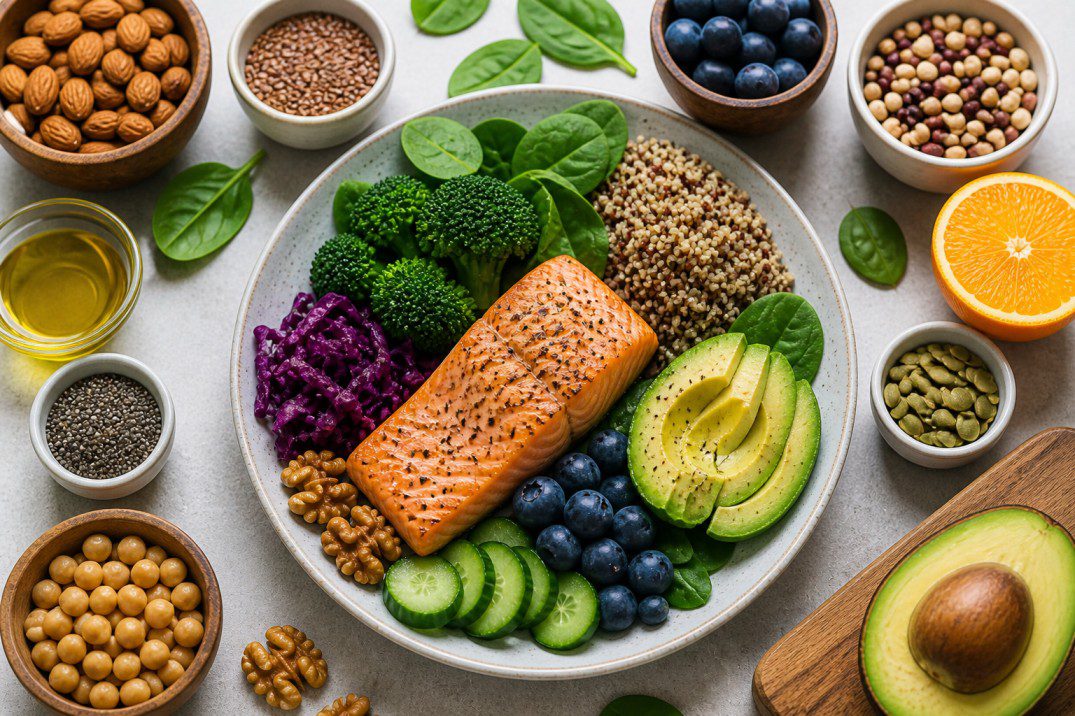
- Protein – Supports muscle repair
- Omega-3 fats – Reduce inflammation
- Antioxidants – Combat oxidative stress
- Fiber – Supports gut health
A balanced diet tailored to your body’s needs can dramatically improve recovery speed and energy levels. Including anti-inflammatory foods for recovery can help reduce chronic inflammation and support overall healing.
Gut Health and Its Impact
Gut health is often overlooked, yet it’s one of the most important factors in recovery.
Poor gut health can lead to:
- Increased inflammation
- Nutrient deficiencies
- Hormonal imbalance
- Low energy
If your gut isn’t functioning properly, your recovery will always be compromised.
For deeper support, exploring services focused on inflammation and recovery for women can offer a more structured and personalized approach.
Stress and the Nervous System
Modern lifestyles in Perth can be fast-paced and demanding. Chronic stress keeps the body in a constant “fight or flight” state, which:
- Slows recovery
- Increases inflammation
- Disrupts sleep
- Affects hormone balance
Recovery must include nervous system regulation:
- Breathing exercises
- Mindfulness
- Light movement like walking
- Time away from screens
Sleep: The Most Underrated Recovery Tool
Sleep is where the real healing happens.
During sleep, the body:
- Repairs tissues
- Balances hormones
- Reduces inflammation
- Restores energy
Poor sleep = poor recovery.
Simple improvements:
- Keep a consistent sleep schedule
- Reduce screen time before bed
- Avoid heavy meals late at night
- Create a calm sleep environment
Practical Recovery Checklist
Use this simple checklist to improve your recovery:
- Drink enough water daily
- Eat balanced meals with protein and healthy fats
- Get 7–9 hours of sleep
- Include light movement on rest days
- Manage stress levels
- Support gut health
- Avoid overtraining
Consistency matters more than perfection.
Training Smarter, Not Harder
More training does not always mean better results. In fact, overtraining can increase inflammation and slow progress.
Smart training includes:
- Adjusting intensity based on your cycle
- Including deload weeks
- Listening to your body’s signals
- Prioritizing recovery as much as workouts
This approach leads to sustainable, long-term results.
A More Personal Approach to Recovery
Every woman’s body is different. What works for one person may not work for another.
That’s why personalized strategies are key. A tailored approach considers:
- Hormonal health
- Lifestyle factors
- Stress levels
- Fitness goals
If you’re in Perth and looking for structured guidance, exploring tailored support through services like women’s health specialists can help you build a system that actually works.
Why This Matters for Women in Perth
Living in Perth comes with its own lifestyle demands—busy schedules, work pressures, and an active outdoor culture. While this is great for overall wellbeing, it also means recovery needs to be intentional.
Ignoring recovery can lead to:
- Burnout
- Hormonal issues
- Decreased performance
- Long-term health problems
Focusing on inflammation and recovery for women ensures you stay strong, energized, and resilient.
Building a Sustainable Routine
A sustainable recovery routine doesn’t need to be complicated.
Start with:
- 10–15 minutes of daily movement
- Prioritizing sleep
- Eating whole, nutrient-dense foods
- Managing stress consistently
Small changes create long-term results.
When to Seek Professional Support
If you’ve tried improving your recovery but still feel stuck, it may be time to get expert guidance.
Signs you need support:
- Ongoing fatigue despite rest
- Hormonal symptoms
- Digestive issues
- Lack of progress in fitness
Working with a professional can help identify the root cause and create a targeted plan.
Conclusion: Take Control of Your Recovery
Inflammation and recovery for women are not just fitness topics—they’re a foundation for long-term health and performance. Rest days alone are not enough. True recovery requires a holistic approach that includes nutrition, sleep, stress management, and personalized strategies.
If you’re ready to take your recovery seriously and improve your overall wellbeing, MH Performance Coaching offers tailored solutions designed specifically for women.
Visit MH Performance Coaching to learn more, or head directly to the contact us page to get started.
You can also speak with a professional by calling Tel: +61 8 5122 6957 and take the first step toward better health, stronger performance, and sustainable results.