Table of Contents
ToggleFeeling tired all the time can make even simple daily tasks feel challenging. For many women in Perth, Western Australia, finding the motivation to move when energy is low can seem impossible. However, gentle movement can often be part of the solution. The proper exercise for fatigue can help you regain vitality, improve mood, and rebuild consistency in a manageable way.
At MH Performance Coaching, we often see how smart, supportive exercise helps women move from feeling drained to feeling more balanced and capable. The key is understanding how to start slow, listen to your body, and build confidence through sustainable movement.
Understanding Exercise for Fatigue
Exercise for fatigue does not mean pushing harder when you are already exhausted. It’s about using small amounts of movement to gently re-energise the body. Studies show that low-intensity activity can support blood flow, oxygen delivery, and mood balance, all of which may help reduce the perception of tiredness.
Industry experience suggests that fatigue often stems from multiple sources, including stress, hormonal fluctuations, irregular sleep patterns, and inconsistent nutrition. A thoughtful movement plan can usually support the body’s ability to recover and stabilise energy levels over time.
Common types of fatigue women experience include:
- General tiredness from busy routines and stress
- Post-illness fatigue after recovery from sickness
- Hormonal fatigue relates to perimenopause, menopause, or menstrual cycles.
- Lifestyle fatigue from poor sleep or limited nutrition
Each situation benefits from a different approach, but all can improve with consistent, gentle exercise for fatigue.
Why Exercise for Fatigue Works
When your energy feels low, rest might seem like the only answer. While rest is essential, total inactivity can sometimes exacerbate fatigue. Light movement can support circulation, muscle activation, and brain function, helping you feel more awake and capable.
Moderate physical activity may help regulate stress hormones and improve overall mood. By encouraging oxygen delivery throughout the body, gentle workouts such as stretching, walking, or low-impact strength training help enhance alertness and stamina.
In Perth’s sunny environment, outdoor activities also offer a natural energy boost. Fresh air, natural light, and vitamin D exposure all contribute to boosting overall well-being.
Gentle Types of Exercise for Fatigue
Here are some of the most effective and accessible types of exercise for fatigue, particularly for women returning to physical activity or those with low energy levels.
1. Walking
Walking is often the best starting point for exercise for fatigue. It’s low impact, easy to adjust in intensity, and accessible almost anywhere.
Start with 10-15 minutes and gradually build to 30 minutes a few times per week. Perth offers ideal walking spots such as the South Perth Foreshore, Kings Park trails, or coastal paths along Cottesloe Beach.
2. Stretching and Mobility
Gentle stretching improves blood flow and helps relieve muscle tension. Short mobility sessions can often wake up the body without creating extra fatigue.
Try morning or evening stretches for your back, hips, and shoulders. Yoga and Pilates can also help support flexibility and posture.
3. Low-Impact Strength Training
Using light weights or resistance bands can build strength gradually. Maintaining muscle mass is often critical for women, especially as metabolism changes with age.
Simple moves include:
- Bodyweight squats
- Seated leg extensions
- Wall push-ups
- Glute bridges
A consistent, progressive plan can help the body adapt without overtraining.
4. Breathing and Mindful Movement
Mindful activities such as yoga, Tai Chi, or guided breathing sessions encourage calmness and reduce stress. Stress management is an essential part of any exercise for fatigue plan because chronic tension can drain energy levels.
5. Swimming or Water-Based Movement
Gentle water activities are excellent for joint comfort. Swimming, aqua aerobics, or even walking in shallow water can support circulation while feeling relaxing. Perth’s mild climate and community pools make these options easily accessible.
Balancing Exercise and Rest
The goal of exercise for fatigue is balance, not exhaustion. Doing too much too soon can increase tiredness rather than relieve it.
Here’s how to keep the balance:
- Listen to your body. Energy levels may change daily.
- Start small. Even 5-10 minutes can make a difference.
- Prioritise rest days. Active recovery supports long-term consistency.
- Track progress. Use a simple journal or app to monitor energy changes.
Industry experience suggests that women who track their feelings before and after light exercise often notice gradual improvements in stamina and mood.
Nutrition Tips That Support Exercise for Fatigue
Movement and nutrition go hand in hand. Eating well can support recovery and energy regulation, which is essential when using exercise for fatigue.
1. Focus on Whole Foods
Whole, nutrient-rich foods help stabilise blood sugar and support long-term energy. Include:
- Fresh fruits and vegetables
- Whole grains like oats or quinoa
- Protein from fish, eggs, or legumes
- Healthy fats from nuts, seeds, and olive oil
2. Stay Hydrated
Dehydration can make fatigue worse. In Perth’s warmer climate, hydration is essential. Carry a water bottle and sip consistently throughout the day.
3. Balance Your Meals
Include a mix of protein, carbohydrates, and fibre at every meal to help maintain steady energy. Avoid skipping meals, as this can lead to fluctuations in blood sugar and a decline in motivation.
4. Support Gut Health
Digestive balance often influences energy levels. Including probiotic foods, such as yoghurt or fermented vegetables, can support healthy digestion, which in turn may aid in energy regulation.
Overcoming Common Barriers to Exercise for Fatigue
Starting a new routine can feel difficult when you are already tired. The following strategies can help you move forward without overdoing it.
| Challenge | Strategy |
| Lack of Motivation | Commit to just five minutes. Once you start, it’s easier to continue. |
| Low Energy | Pick the time of day you typically feel best. Morning sunlight can help. |
| Joint Discomfort | Choose swimming, walking, or cycling. |
| Busy Schedule | Break workouts into short 10-minute blocks. |
| Fear of Overdoing It | Work with a qualified coach for safe guidance. |
Small, steady progress builds confidence and allows exercise for fatigue to become part of your lifestyle rather than an extra chore.
The Role of Sleep and Recovery
Rest is just as important as exercise. Without enough quality sleep, your body cannot rebuild energy efficiently.
Tips for better rest:
- Keep a consistent bedtime routine.
- Avoid screens 30 minutes before bed.
- Create a cool, dark, and comfortable sleep environment.
- Practise gentle breathing or meditation before sleeping.
Combining proper sleep with light exercise for fatigue and support better recovery, mood, and resilience.
Mindset and Motivation
A supportive mindset helps you stay consistent with your exercise for fatigue plan. Instead of focusing on what you can’t do, focus on what you can manage right now.
Motivation Tips
- Set small, achievable goals.
- Acknowledge your progress regularly.
- Join a supportive community in Perth that encourages women’s fitness.
- Train with a friend or coach for accountability.
Positive reinforcement and shared progress make it easier to maintain healthy habits over time.
Example Weekly Exercise for Fatigue Routine
This sample schedule offers a balanced approach, enabling individuals to tailor it to their unique needs and energy levels.
| Day | Focus | Example Activity |
| Monday | Movement | 20-minute walk around the neighbourhood |
| Tuesday | Stretch | Gentle yoga or mobility session |
| Wednesday | Strength | Light resistance band workout |
| Thursday | Rest | Gentle breathing or a short walk |
| Friday | Cardio | 25-minute brisk walk or swim |
| Saturday | Balance | Pilates or posture session |
| Sunday | Recovery | Leisure stroll or light stretching |
Consistency, not intensity, is what makes exercise effective in reducing fatigue. Even small steps forward can help your body restore balance and strength.
When to Seek Professional Guidance
While light exercise is generally safe, it’s essential to consult a qualified health professional before starting a new program if you have ongoing fatigue or medical conditions. Approval and guidance ensure that your plan is safe, suitable, and properly structured for your situation.
At MH Performance Coaching, we often design programs for women who experience chronic tiredness, hormonal fluctuations, or post-illness recovery. Coaching helps ensure that your exercise routine remains realistic and supportive rather than overwhelming.
Checklist: Building a Sustainable Exercise for Fatigue Plan
| Step | Action | Goal |
| 1 | Start small with 5-15 minutes of activity | Build consistency |
| 2 | Alternate exercise types | Prevent overuse fatigue |
| 3 | Stay hydrated and eat balanced meals | Support recovery |
| 4 | Include relaxation or mindful breathing | Reduce stress |
| 5 | Prioritise sleep and rest days | Encourage healing |
| 6 | Track energy levels weekly | Measure progress |
| 7 | Seek professional coaching | Maintain motivation |
This checklist provides a simple structure to keep you on track while allowing flexibility to adjust when needed.
The Benefits of Local Coaching in Perth
Working with a women-focused coach can make a big difference when navigating exercise to manage fatigue. Local expertise helps tailor sessions to your energy level, lifestyle, and environment.
At MH Performance Coaching in Perth, we often assist women through:
- Customised movement programs for low-energy days
- Education on recovery, rest, and nutrition
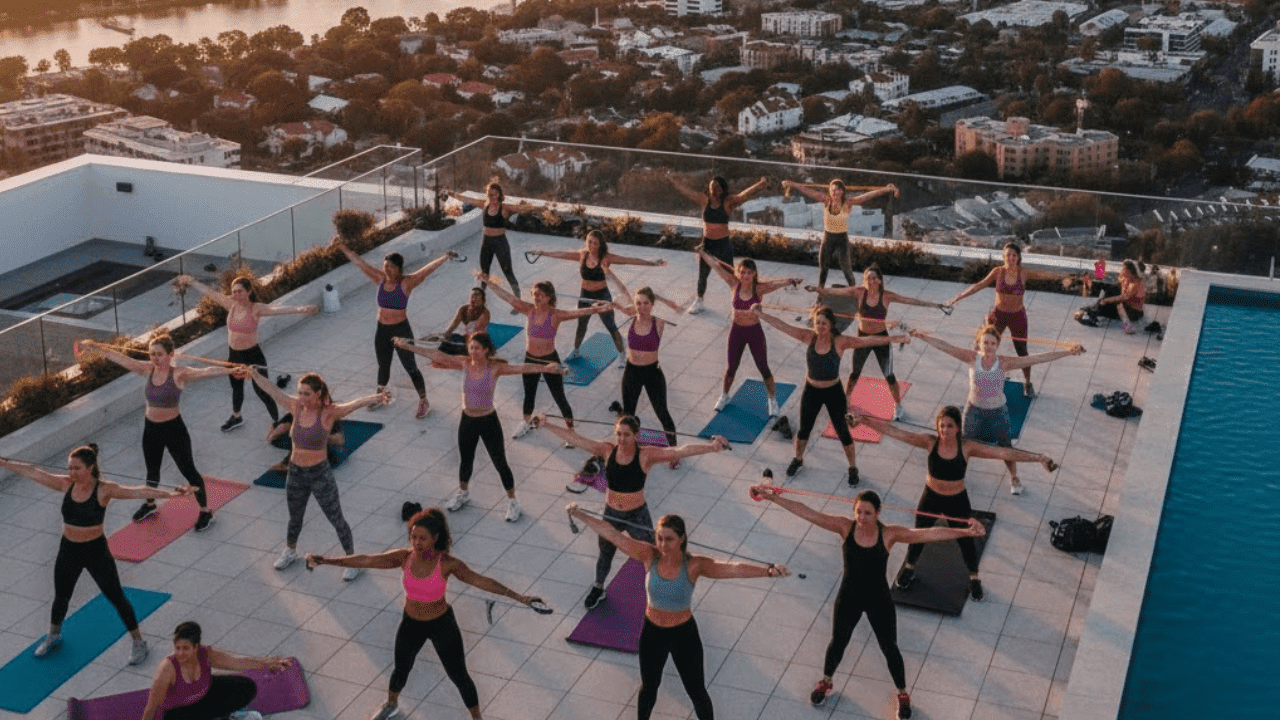
- Supportive small-group sessions that promote accountability
The aim is not perfection but progress. With guided structure, you can often rediscover the motivation and energy you once had.
Enjoying Exercise for Fatigue in Perth
Perth offers beautiful outdoor locations and community opportunities to make gentle exercise enjoyable:
- Take early morning walks along the Swan River or Scarborough Beach.
- Join local yoga or Pilates classes focused on mindfulness.
- Visit Kings Park for light hikes or nature walks.
- Try swimming at community pools for low-impact movement.
Connecting movement with nature can boost mental clarity and mood, making exercise a welcome relief from fatigue.
Key Takeaways
- Gentle movement can often improve energy levels and mood.
- Start slow and build gradually with a mix of walking, stretching, and strength work.
- Proper nutrition, hydration, and sleep are essential for sustainable results.
- Perth’s active outdoor lifestyle provides many enjoyable options for staying active.
- Support and guidance from MH Performance Coaching can help you maintain consistency and confidence.
Final Thoughts
Fatigue can affect anyone, but small, intentional steps can make a big difference. Through supportive exercise for fatigue, balanced nutrition, and consistent rest, you can often rebuild strength and vitality at your own pace.
If you’re ready to start feeling stronger, more energised, and supported in your fitness journey, contact MH Performance Coaching in Perth, Western Australia, today.
Our team is here to help you create a safe and effective plan designed for your needs and lifestyle.