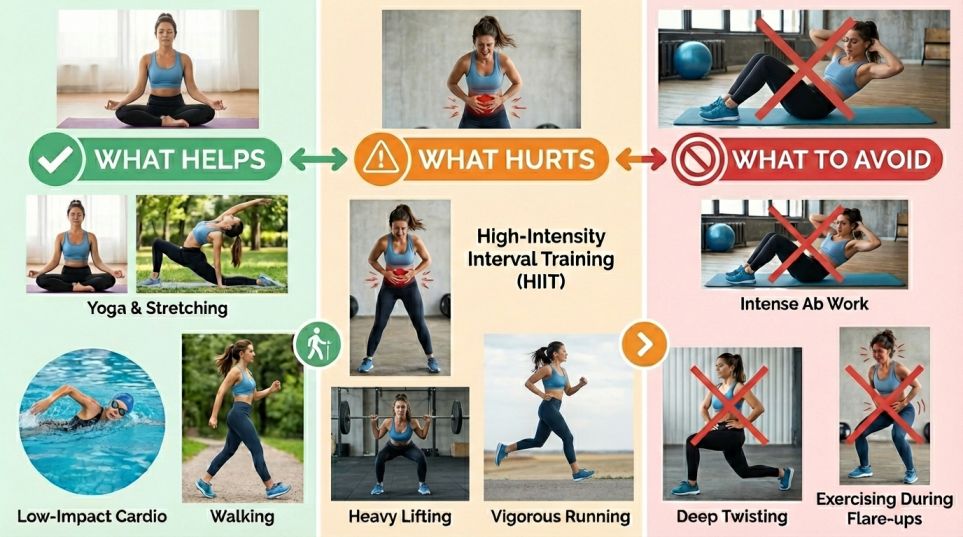
Living with chronic fatigue can feel confusing and frustrating, especially when you are trying to stay active or regain strength. Many women across Australia are told to push harder or exercise more, yet that advice often leads to setbacks rather than progress. This guide explores chronic fatigue exercise for women in a practical, realistic way, focusing on sustainable strength, recovery, and long-term wellbeing.
The aim is not to exhaust the body, but to support it. With the right structure, movement can become part of healing rather than another source of stress.
Table of Contents
ToggleUnderstanding Chronic Fatigue in Women
Chronic fatigue is not the same as everyday tiredness. It is a complex condition that affects energy production, neurological function, immune response, and hormonal balance. Women are statistically more affected, particularly during periods of high stress, hormonal transition, or long-term overwork.
Common symptoms include:
Ongoing exhaustion that does not improve with rest
Brain fog or reduced focus
Muscle weakness or heaviness
Symptom flare-ups after physical or mental effort
Australian health authorities acknowledge that pacing and appropriate movement are essential parts of managing chronic fatigue rather than aggressive exercise approaches. Educational guidance from trusted sources such as the Better Health Channel reinforces the importance of balancing activity with recovery.
Why Traditional Training Often Causes Setbacks
Most gym programs are designed around intensity, volume, and constant progression. For women living with fatigue, these methods often overload the nervous system and trigger post-exertional symptoms.
Common issues include:
Training intensity that exceeds recovery capacity
Fixed programs that ignore daily energy variation
Cardio-heavy routines that drain energy reserves
Pressure to push through warning signs
This is why chronic fatigue exercise for women must be approached with flexibility, patience, and a recovery-first mindset.
Core Principles for Training Without Burnout
Before choosing exercises, it is important to understand the principles that guide safe progress.
Energy Comes First
Training decisions should be based on how your body feels that day, not on rigid plans or external expectations.
Consistency Over Intensity
Short, manageable sessions done regularly are more effective than occasional hard workouts.
Recovery Is Non-Negotiable
Rest days, sleep quality, and stress reduction are just as important as training itself.
Feedback Guides Progress
How you feel hours and days after training matters more than what happens during the session.
How Strength Training Supports Recovery
When done correctly, strength training can offer meaningful benefits:
Improved muscle efficiency and joint support
Reduced injury risk during daily activities
Support for metabolic and hormonal health
Increased confidence in movement
The focus is always on gentle progression. Chronic fatigue exercise for women prioritises resilience, not exhaustion.
Recommended Training Structure
Session Duration
15 to 30 minutes per session
Finish feeling capable, not depleted
Weekly Frequency
Two to three sessions per week
Rest days between sessions
Intensity Guidelines
Light to moderate effort
Ability to maintain calm breathing throughout
Movement Tempo
Slow, controlled repetitions
Longer rest between sets
Sample Weekly Training Framework
| Day | Focus | Notes |
|---|---|---|
| Monday | Light strength | Full body, low volume |
| Tuesday | Rest or gentle walk | Optional stretching |
| Wednesday | Strength and stability | Focus on technique |
| Thursday | Rest | Prioritise sleep |
| Friday | Optional session | Only if energy allows |
| Weekend | Recovery | Mobility and breathing |
This approach allows the body to adapt gradually without overwhelming the system.
Exercises That Are Usually Well Tolerated
Many women respond well to simple, controlled movements:
Chair-supported squats
Wall push-ups
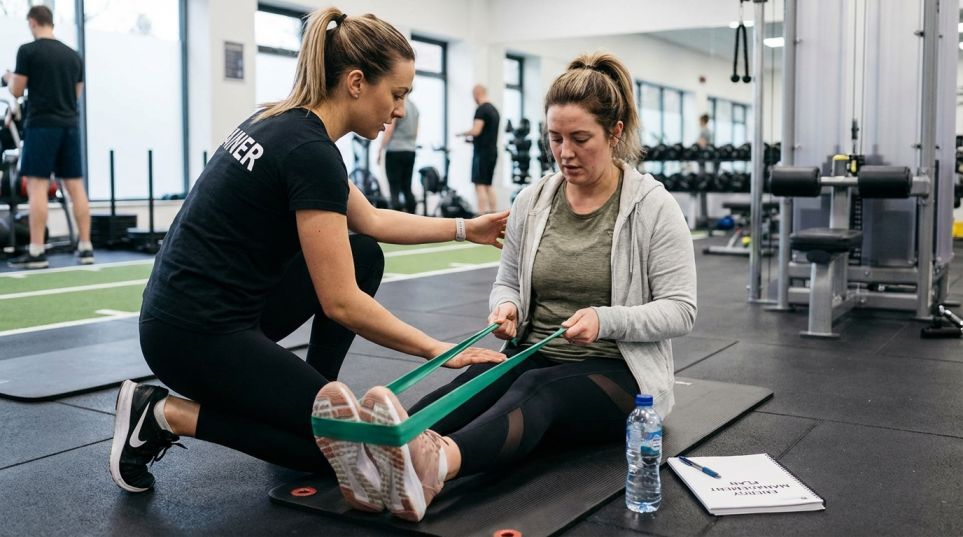
Resistance band rows
Glute bridges
Seated shoulder presses
Each movement should feel predictable and stable. Delayed symptom flare-ups are a sign the session was too demanding.
Pre-Session Readiness Checklist
Before starting any workout, ask:
Did I sleep reasonably well
Is my baseline energy stable today
Can I focus without mental strain
Am I choosing movement, not forcing it
If several answers are no, resting is often the smarter choice.
Hormones, Stress, and Fatigue
Hormonal fluctuations and chronic stress strongly influence fatigue levels in women. Training without considering these factors often leads to inconsistent results or regression.
Public health guidance from resources such as Healthdirect Australia highlights the importance of stress management, pacing, and recovery when managing long-term fatigue conditions.
Support that integrates exercise with hormonal and nervous system awareness can make training safer and more effective. Learn more through this chronic fatigue specialist resource.
Nutrition and Hydration Considerations
Exercise cannot compensate for under-fuelling or dehydration. General considerations include:
Regular meals with balanced protein and carbohydrates
Adequate electrolytes, especially in warmer Australian climates
Avoiding long fasting periods around training days
The goal is energy stability, not calorie restriction.
When Progress Feels Slow
Progress with fatigue may look different:
Fewer symptom flare-ups
Improved energy consistency
Better sleep quality
Increased confidence in movement
These outcomes matter. Chronic fatigue exercise for women focuses on long-term health, not short-term performance.
Creating a Supportive Training Environment
A supportive environment reduces setbacks and builds confidence. This may include professional guidance, education, and realistic expectations.
You may find additional value in understanding integrated care through women’s health support services.
Education plays a critical role in long-term success, especially when misinformation about fatigue and exercise is common. Understanding why chronic fatigue exercise for women looks different from conventional programs helps set realistic expectations. Rather than chasing intensity, the focus stays on recovery, nervous system regulation, and movement quality. Women who follow this approach often report better adherence because the training feels achievable. Gradual progress builds resilience without overwhelming the body. When applied consistently, chronic fatigue exercise for women supports health without sacrificing daily life demands.
Daily Movement Beyond Workouts
Movement outside formal training supports circulation and reduces stiffness:
Short walks
Gentle stretching
Breathing exercises
These low-demand activities complement structured strength sessions.
Common Training Mistakes to Avoid
Comparing progress to others
Ignoring early warning signs
Increasing load too quickly
Training through mental exhaustion
Awareness prevents relapse and supports consistency.
The Value of a Structured Plan
A structured, personalised approach removes guesswork and reduces risk. It considers lifestyle, stress load, and recovery capacity.
For those seeking a broader understanding of balanced performance support, explore personalised coaching services or sports performance coaching.
Conclusion: Strength Without Burnout
Training with chronic fatigue requires patience, education, and respect for your body’s signals. When movement is adapted correctly, it becomes a tool for recovery rather than stress. Many women across Australia are discovering that safe, progressive strength training restores confidence and stability over time.
If you are ready to take the next step with professional guidance, visit MH Performance Coaching. Reach out through the contact us page or call +61 8 5122 6957 to discuss a training approach designed to support your energy, health, and long-term wellbeing.