

Ever wondered what the best diet for lupus might be? Lupus, a complex autoimmune disease, impacts the lives of many, and managing it can be a challenge. However, diet plays a crucial role in this journey. For people with lupus, understanding how specific foods can affect lupus symptoms is critical to better health management. This article delves into the world of nutrition for lupus, offering insights into how a well-balanced diet can become a powerful tool in your health arsenal.
Understanding Lupus and Nutrition

Lupus: A Quick Overview
Lupus is more than just a medical term; it’s a daily reality for many. As an autoimmune disease, it can cause various lupus symptoms, from fatigue to joint pain. How our bodies react to different types of food can significantly impact these symptoms.
Nutrition Principles for Autoimmune Conditions
- Anti-Inflammatory Diets: These diets focus on reducing inflammation, a common issue in autoimmune diseases. Incorporating fresh fruits and oily fish, rich in omega-3 fatty acids, can be beneficial.
- Balancing Nutrients: A well-balanced diet with lean protein, fresh fruits, and vegetables is essential. It’s about striking a balance – not too much, not too little.
How Diet Influences Lupus
The food choices we make can either aggravate or alleviate lupus symptoms. For example, oily fish, a great source of omega-3 fatty acids, can help reduce inflammation, while processed foods might worsen symptoms. It’s not just about eliminating certain foods but about creating a harmonious meal plan supporting overall health.
Essential Nutrients for Lupus Management
Powering Up with Key Nutrients
For people with lupus, focusing on certain nutrients can be a game-changer in managing their condition. Omega-3 fatty acids found abundantly in fish oils, are renowned for their anti-inflammatory properties. These nutrients don’t just ease disease activity; they’re a beacon of relief in a sea of discomfort. Antioxidants, too, play a crucial role. They’re like the body’s defense against the oxidative stress that lupus can cause. You’ll find these superheroes in vibrant leafy vegetables and healthy food options.
Foods to Focus On
- Omega-3 Rich Foods: Think beyond just fish oils. Flaxseeds, walnuts, and even particular lean meat can be excellent sources.
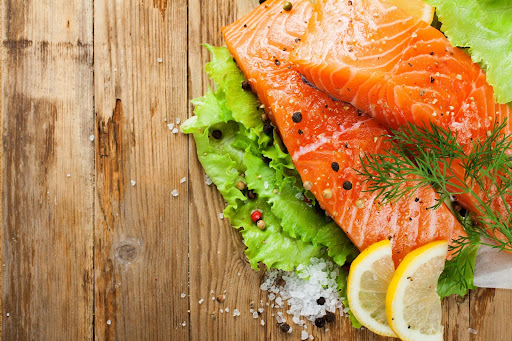
- Antioxidant-Rich Choices: Color your plate with berries, leafy vegetables, and whole grains. These foods are not just nutritious but delicious allies in your lupus management journey.
The Science Behind the Nutrients
It’s fascinating how these nutrients work. Omega-3 fatty acids, for instance, help in regulating the body’s inflammatory response, which can be crucial in managing lupus patients’ symptoms. On the other hand, antioxidants protect the body from damage caused by free radicals, which is particularly beneficial for those dealing with an autoimmune condition like lupus. It’s not about following a special diet; it’s about making informed choices about your food intake to maintain a healthy weight and manage disease activity.
Navigating Dietary Triggers
For people with lupus, certain foods can be more foe than friend. Identifying and avoiding these can be a critical aspect of disease management. High-fat, high-sugar, and highly processed foods not only contribute to weight gain but can also exacerbate lupus symptoms. For instance, fatty food might increase blood pressure and fluid retention, particularly concerning for those with lupus.
Why Some Foods Can Be Harmful

- Animal Protein: While protein is vital, excessive animal protein can lead to lupus flares. Lupus patients should opt for moderate amounts of protein, preferably from plants.
- High-Sugar Foods: Foods like ice cream and sugary snacks can cause rapid spikes in blood sugar, potentially increasing inflammation and lupus activity.
- Salt-Rich Foods: High sodium intake can lead to heightened blood pressure and fluid retention, which are risky, especially for those with a predisposition to kidney disease or risk of heart disease.
Tips for Dietary Management
- Read Labels: Be vigilant about food labels to avoid hidden sugars, fats, and sodium.
- Balance Your Plate: Focus on a balanced diet with plenty of fruits, vegetables, and whole grains.
- Moderation is Key: If cutting out certain foods entirely is overwhelming, start gradually reducing them.
By understanding which foods to limit, people with lupus can make more informed choices, helping to mitigate lupus flares and support overall health. Remember, the best diet for lupus is tailored to your individual needs and health goals.
Anti-inflammatory Foods and Lupus
The Power of Anti-inflammatory Foods
When managing lupus, “you are what you eat” takes on a new meaning. Anti-inflammatory foods play a pivotal role in the best diet for lupus, offering a natural way to alleviate joint pain and reduce inflammation. These foods can help maintain a healthy weight, which is crucial for overall health and managing lupus symptoms.
Foods to Include
- Fatty Fish: Rich in omega-3 fatty acids, fatty fish like salmon and mackerel are stars in an anti-inflammatory diet. They’re not just good for your taste buds; they’re a boon for your body, especially for people with lupus.
- Leafy Greens: Spinach and kale contain vitamins and an excellent calcium source. These fresh vegetables can be easily incorporated into meals, making them delicious and nutritious.
- Healthy Fats: Items like flaxseed oil and almond milk are excellent choices. They provide essential fats without the adverse effects of high-meat or low-fat dairy.
How to Incorporate Them
Incorporating these foods into your diet isn’t just about making healthy choices; it’s about creating a diet that works for you. Here are a few tips:
- Balance Your Plate: Combine leaner meats or plant-based protein sources with plenty of raw vegetables and whole grains.
- Mindful Substitutions: Replace nightshade vegetables, which some lupus patients find inflammatory, with other colourful veggies. Opt for gluten-free diet options if gluten exacerbates your symptoms.
- Monitor Portions: Keep an eye on your caloric intake. It’s not just about what you eat but also how much you eat. Ensure you get adequate amounts of each food group to support your bone health and overall well-being.
By focusing on these anti-inflammatory foods, you can make significant strides in managing lupus, turning each meal into an opportunity for healing and health.
Planning a Lupus-Friendly Diet
Crafting Your Meal Plan
Embarking on the best diet for lupus isn’t just about choosing the right foods; it’s about crafting a meal plan that works for you. Start by considering the basics of a balanced diet, integrating a variety of foods to ensure you’re getting all the nutrients your body needs. Here’s where you can get creative:
- Variety is Key: Include a range of foods in your diet. Think colourful vegetables, dairy products (if tolerated), and lean proteins.
- Preparation Matters: Opt for cooking methods that retain nutrients, like steaming or grilling. Remember, overcooking can strip away essential vitamins.
Maintaining Balance and Consistency
A diet for people with lupus should focus on consistency. It’s not just about what you eat but also how you eat:
- Watch Your Intake: Monitor potentially inflammatory foods like refined sugars and nightshade vegetables. Balance these with anti-inflammatory choices like ground flaxseed.
- Dairy Products: For those who include dairy products, they can be a good source of calcium. However, explore alternatives like calcium-fortified plant milks if dairy triggers your symptoms.
- Regular Meal Times: Eating at regular intervals can help maintain energy levels and prevent nutrient deficiencies.
The goal is to find a diet with foods that nourish and support your health while being mindful of how they may influence your cholesterol levels and overall well-being. Lupus is a unique journey for each individual, and so is the dietary approach. Embrace the process, and don’t hesitate to adjust your diet as your needs and medical conditions evolve. Remember, a well-planned diet can have beneficial effects on managing lupus.
Supplements and Lupus: What You Need to Know
When it comes to managing lupus, supplements can sometimes play a pivotal role. But it’s a fine line to tread. Not all accessories are created equal, and what works for one person might not be suitable for another. Here’s what you need to know:
Navigating the World of Supplements

- Vitamin D and Calcium: These are crucial, especially for vegan diets. Vitamin D supplements can be vital if your vitamin D level is low, a common issue for people with lupus.
- When to Choose Supplements: Supplements are necessary when your diet alone can’t meet your nutritional needs. This might be due to medication side effects like loss of appetite or specific dietary restrictions.
Food First, Then Supplements
Always remember real food should be your primary source of nutrients. Supplements are just that – supplementary. They can be beneficial but not a substitute for a nutritious diet. Consult with healthcare professionals to understand which supplements might be necessary for you, considering your unique health needs and lupus management plan.
Nourishing Choices: Final Thoughts on Lupus Diet
Embarking on the journey to find the best diet for lupus is a step towards taking control of your health. It’s not just about following a specific diet; it’s about understanding how you eat impacts your body and adjusting accordingly. And while diet is a critical piece of the puzzle, it’s equally important to seek personalized advice from healthcare professionals. They can guide you in making informed decisions that align with your health needs, helping you navigate the calm and the stormy waters of lupus management.
Transform Your Lupus Management with MH Performance’s Expertise
Managing lupus through diet can be a complex journey, but with MH Performance, you’re not alone. Our professional nutritionists specialise in crafting the best diet for lupus, tailored just for you. Here’s how we can support your journey:
- Personalised Nutrition Plans: We understand that each lupus case is unique. Our nutritionists create custom diet plans catering to your needs and health goals.
- Expert Guidance: Navigating dietary choices can be tricky. Our experts provide valuable insights into which foods can help manage your lupus symptoms.
- Ongoing Support: Your journey doesn’t end with a plan. We offer continuous support and adjustments to your diet as needed, ensuring you’re on the right path to managing your condition.
Take control of your lupus with a diet designed just for you. Reach out to MH Performance today and start your journey towards a healthier, more balanced life. Your well-being is our priority, and we’re here to guide you every step of the way.