
Have you ever considered how a health condition can redefine one’s experience of everyday life? This is the stark reality for individuals dealing with endometriosis disability. It’s a condition that does more than cause severe pain; it’s a chronic disease profoundly impacting the lives it touches. More than just experiencing painful periods, it involves chronic pelvic pain, heavy menstrual cycles, and significant disruptions in social interactions.
Recognising endometriosis as a disability is crucial. It goes beyond the physical symptoms of severe pain; it encompasses the chronic impact on an individual’s quality of life. Acknowledging endometriosis as a disability sheds light on the challenges and paves the way for better understanding and support for those affected.
In this exploration, we aim to unfold the layers of endometriosis as a disability. From its medical implications to its legal standing, particularly in Australia, we’ll examine the extensive effects of endometriosis on women. Our focus is to offer insights and information to understand better and address the challenges those living with this complex disease face.
1. Understanding Endometriosis as a Disability
What Constitutes Endometriosis as a Disability?
Endometriosis is not just a medical condition; it’s a chronic disease that can severely disrupt everyday activities, qualifying it as a significant disability.
The consistent struggle with symptoms like abdominal pain and the overall burden of managing severe symptoms daily highlight endometriosis as a disability. It’s an ongoing battle affecting every aspect of life, impacting personal relationships and work commitments.
The Physical and Emotional Challenges
Endometriosis brings with it chronic pain, leading to a range of complications. The chronic conditions associated with endometriosis, such as inflammation of the fallopian tubes, significantly reduce the quality of life.
The emotional strain is just as impactful. The weight of endometriosis can foster feelings of isolation, affecting mental health and social interactions. The relentless growth of endometrial tissue outside the pelvic cavity adds to the stress and anxiety of managing this complex disease.
Legal Recognition in Australia
In Australia, there’s an increasing recognition of the impact of endometriosis. The legal acknowledgment of endometriosis as a disability opens avenues for disability benefits and flexible working arrangements, which are essential for managing the condition.
This recognition is crucial to understanding the full scope of endometriosis in affected individuals’ lives. It paves the way for improved support systems and outcomes for women with endometriosis, ensuring their challenges are recognised and supported.
2. Symptoms and Diagnosis: The First Step to Acknowledgment
Recognising the Signals: The Complex Symptoms of Endometriosis
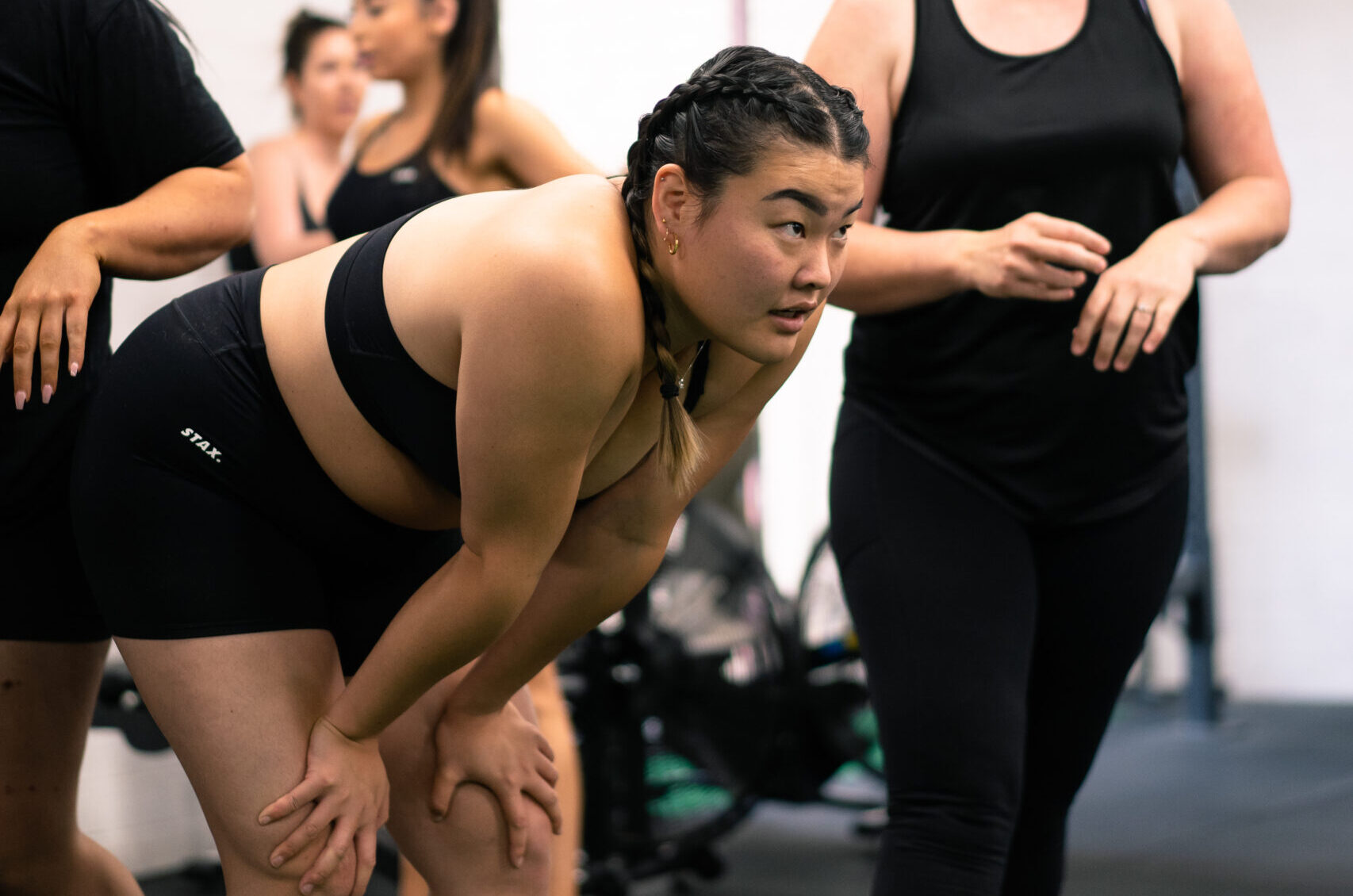
Have you ever wondered how endometriosis disability impacts daily life? The symptoms of endometriosis aren’t just a series of discomforts; they’re a complex web that intertwines with every aspect of life for those affected. Women with endometriosis often experience severe symptoms like widespread pain, which can be debilitating. It’s not just about the physical pain, though. The footprint of endometriosis extends to emotional and psychological well-being, often leading to a poorer quality of life compared to women without endometriosis.
The journey to an endometriosis diagnosis is fraught with challenges. Early detection is critical, yet it’s common for individuals to face misdiagnosis or delayed diagnosis. This is partly due to the variability of endometriosis-related symptoms, which can mimic other conditions. Proper diagnosis is crucial, as it opens the door to effective medication and management strategies. It’s a pivotal moment that acknowledges the burden of endometriosis and sets the stage for better-coping mechanisms in daily life.
3. Workplace Rights and Accommodations
Navigating the Workplace with Endometriosis
Endometriosis can have a significant negative impact on workability. In Australia, it’s essential to understand the legal rights and available accommodations for employees dealing with this condition. The acknowledgement of endometriosis as a disability under the Social Security Disability guidelines offers protection and support, ensuring that people with endometriosis can maintain their professional lives without undue hardship.
What can be done in the workplace to support those with endometriosis? Employers can offer flexible working arrangements or job modifications to accommodate the functional impairment caused by endometriosis. This might include adjustments to working hours or providing more frequent breaks to manage pain symptoms. It’s vital for employees to feel empowered to discuss their needs with their employers. Open conversations about endometriosis and its impact are essential to fostering an understanding and supportive work environment. Remember, endometriosis Australia and other advocacy groups are valuable resources for raising awareness of endometriosis and guiding employees and employers in creating an inclusive workplace.
4. Bridging the Gap: Securing Benefits and Support for Endometriosis
Did you know that endometriosis disability can significantly alter life’s course? Understanding the avenues for disability benefits and support services in Australia is crucial for those grappling with this challenging condition.
Finding Your Way Through the Maze of Support Services
Sailing the terrain of disability benefits for endometriosis in Australia can be daunting, yet it’s vital. These benefits are designed to aid in managing the daily challenges and functional impairment that come with the condition. Information about these benefits, including eligibility criteria and application procedures, is readily available through government and health service websites.
Step-by-Step Guide to Applying
The application process for disability benefits due to endometriosis symptoms can seem overwhelming. Start by gathering medical documentation that clearly outlines your diagnosis and the burden of endometriosis on your everyday life. This documentation is critical in demonstrating the level of impairment and the impact of symptoms associated with endometriosis. Then, follow the guidelines the relevant government body provides, ensuring each step is completed accurately to avoid delays.
Support Beyond the Financial
Beyond financial assistance, numerous support services and resources are available. These include support groups, counselling services, and educational resources, all aimed at improving the outcomes in women with endometriosis. Remember, women without endometriosis might not fully grasp your experiences, so connecting with those who understand can be immensely relieving.
5. Beyond the Pain: Addressing the Emotional Toll of Endometriosis
How does living with endometriosis affect mental well-being? The psychological toll of endometriosis disability is profound, and addressing it is as important as addressing the physical symptoms.
Embracing Mental Wellness Amidst the Struggle
Endometriosis can lead to significant mental health challenges. The continuous battle with chronic pain, along with the uncertainty of a cure for endometriosis, often leads to anxiety, depression, and a sense of isolation. Acknowledging these emotional struggles is the first step in seeking the proper support.
Seeking Professional Help for Mental Well-being
Psychological support and counselling are vital for those dealing with the mental strain of endometriosis. It’s not just about managing the common symptoms; it’s also about coping with the emotional and psychological burden. Professional counselling can offer strategies to handle stress, improve mood, and enhance overall well-being.
Specialised Resources for Enhanced Emotional Support
Resources specifically designed for mental health support in endometriosis are readily available. These include online forums, specialised counselling services, and wellness programs that understand the unique challenges of endometriosis in women’s lives. Leveraging these resources can markedly improve not just your mental health but also your ability to manage the physical aspects of the condition.
6. Tailored Paths: Personalising Endometriosis Healthcare
Choosing Your Option: A Guide Through the Maze
Does the thought of navigating endometriosis disability feel like a maze? You’re not alone. Each person’s battle with endometriosis is unique, necessitating a handling plan that’s as individual as they are. From hormonal therapies to surgical options, the range of options is as varied as the symptoms themselves.
Approaching the healthcare system with confidence is critical. It’s vital to have open, honest discussions with your doctors about your symptoms and target health aspirations. Encourage a dialogue, ask the tough questions, and consider a second opinion if things don’t seem right. Remember, your health journey should be a partnership tailored to fit your individual needs and lifestyle.
Personalisation is at the heart of effective management. Endometriosis affects each woman differently, so a one-size-fits-all approach is ineffective. Collaborate with your healthcare team to forge a plan specific to your symptoms and life situation. It’s not just about managing pain; it’s about reclaiming your quality of life.
7. Knowledge is Power: Navigating Endometriosis with Confidence

Education and Advocacy: Your Tools for Empowerment
How do you turn the tide in your battle with endometriosis? Start with education. Understanding your condition is the first step in taking control. The more informed you are, the better prepared you’ll be to make decisions that align with your health and lifestyle goals. Knowledge is a powerful tool in managing the complexities of endometriosis disability.
The role of self-advocacy cannot be overstated. As you educate yourself, you become a more effective advocate for your health. This means communicating effectively with healthcare providers, asking informed questions, and making choices that truly serve your well-being. Empowerment comes from understanding your condition, advocating for your needs, and ensuring your voice is heard in managing your endometriosis.
Wrapping Up: Embracing the Journey with Endometriosis Disability
How does one navigate the challenging waters of endometriosis disability with resilience and hope? This article has shed light on the multifaceted nature of endometriosis as a disability, emphasising the critical need for awareness, understanding, and support. We’ve traversed through the complexities of symptoms, diagnosis, workplace rights, and the essentiality of psychological support. Managing endometriosis requires a holistic approach, combining medical, emotional, and practical strategies. Recognising this condition as a disability opens doors to better support and resources, empowering those affected to live fuller, more understood lives.
Step Forward with MH Performance
Your Ally in Health and Well-Being
MH Performance stands as a beacon of support for those grappling with endometriosis disability. Here’s how we can help:
- Personalised Coaching: Tailored strategies to manage your health challenges effectively.
- Empowering Resources: Access to educational material and support networks.
- Continuous Support: Ongoing guidance and assistance to navigate your endometriosis journey.