
Understanding Endometriosis and Cardiovascular Exercise
Have you ever wondered how cardio benefits for endometriosis? Living with endometriosis, characterised by persistent pelvic pain and often chronic discomfort, can be a daily struggle for many women. It’s a condition that not only affects the pelvic floor muscles but also has the potential to impact one’s overall quality of life.
But here’s some uplifting news: regular physical exercise, especially cardio, can offer significant benefits. Not just any movement but specifically tailored activities that address the unique challenges of endometriosis. Incorporating a well-planned cardio routine can be a game-changer in mitigating severe pain and enhancing life quality.
Let’s dive into understanding endometriosis and how cardiovascular exercises, when done right, can be a potent tool in your wellness arsenal. We’ll explore why these exercises are beneficial and how they can help manage symptoms more effectively. So, if you’re grappling with endometriosis and seeking ways to ease your discomfort, this guide might be the beacon of hope you need.
The Science Behind Cardio and Endometriosis
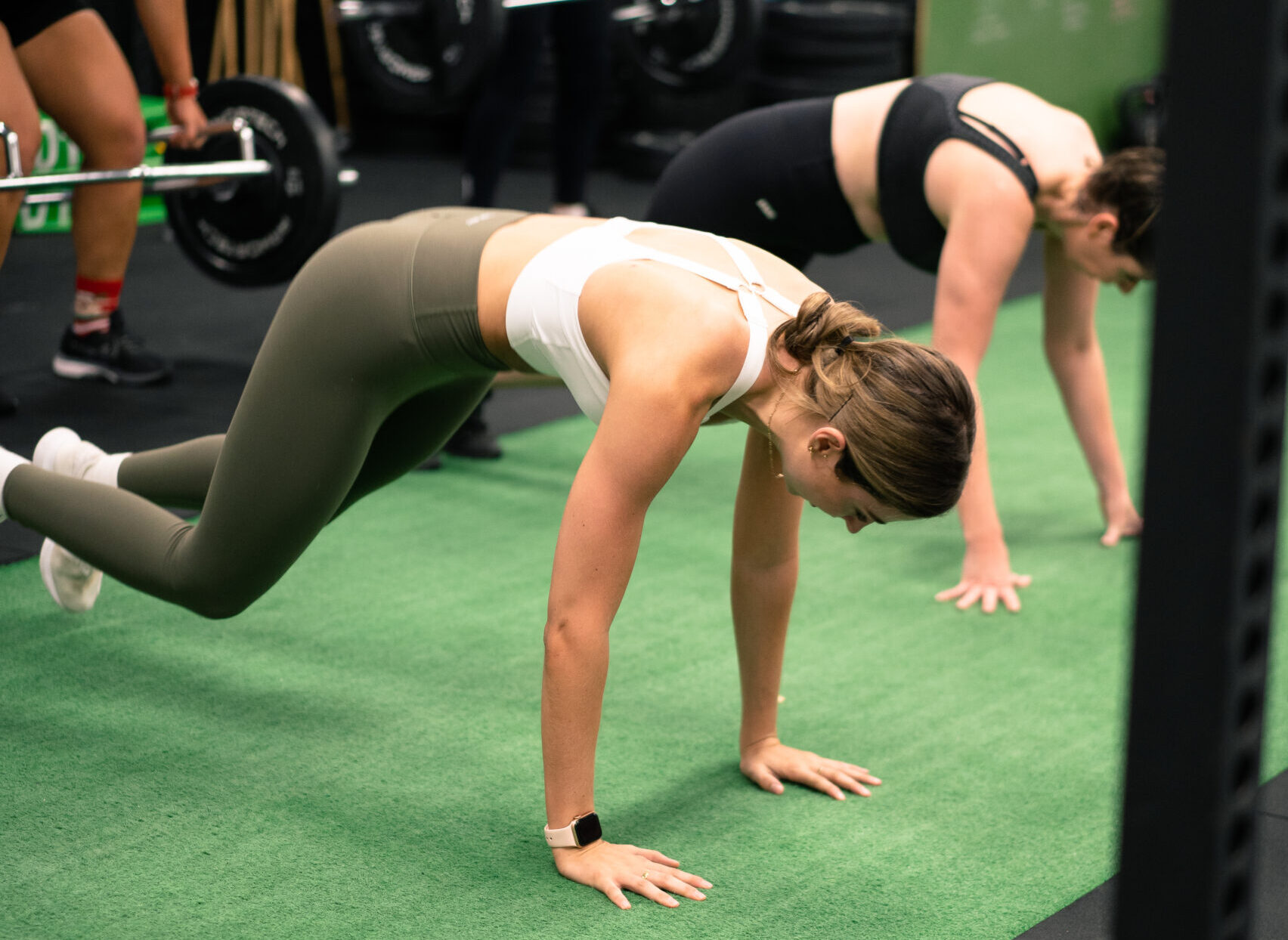
For women grappling with endometriosis, understanding the role of exercise, particularly aerobic exercise, can help in managing this chronic condition. Let’s explore the underlying science of how cardio benefits for endometriosis.
- Physiological Impacts of Cardio: Aerobic exercise, a cornerstone of physical fitness, is known to enhance blood flow, strengthen hip flexors, and improve overall muscle tone. For someone with endometriosis, this can mean relief from tight muscles and better management of endometriosis pain.
- Effects on Endometrial Tissue: Regular aerobic exercise can influence endometrial tissue behaviour. It may help reduce the formation and aggravation of endometrial cells outside the fallopian tubes and other regions typically affected by this gynecological condition.
- Mental Health Benefits: Doing an exercise program a few times per week is about more than physical health. It’s also a powerful tool to combat the mental health challenges that often accompany chronic diseases like endometriosis. The mental uplift and stress relief of regular physical activity are invaluable.
- Managing Painful Periods: For many women, the diagnosis of endometriosis is synonymous with painful periods. Cardio exercises have been shown to alleviate some of the discomfort associated with menstrual periods, providing a non-invasive method to manage this aspect of the condition.
- Frequency and Intensity: It’s crucial to balance your exercise program. Engaging in moderate aerobic exercise several times per week can offer the most benefits without exacerbating the symptoms of endometriosis.
Incorporating cardio into the routine of someone with endometriosis isn’t just about staying fit; it’s about reclaiming control over one’s body and life. In the following sections, we’ll delve deeper into how you can integrate these exercises into your life, the best types of cardio for endometriosis, and practical tips for creating a sustainable exercise regimen.
Types of Cardiovascular Exercises Suited for Endometriosis
When managing endometriosis, selecting suitable types of cardiovascular exercises is vital. These exercises can significantly improve the quality of life for women with endometriosis by reducing pain levels and positively influencing estrogen levels. Let’s explore a range of cardio exercises tailored for endometriosis:
- Low-Impact Exercise: Ideal for reducing the impact on the abdominal wall and pelvis, low-impact exercises are essential. Think of activities like brisk walking, cycling, or swimming. They enhance physical exercise benefits without exacerbating pelvic or abdominal pain.
- Yoga and Pilates: While not strictly ‘cardio’, yoga and Pilates focus on deep breathing and gentle movements, improving energy levels and the function of the pelvic floor muscles. They offer a blend of physical exercise and relaxation, which is crucial for women managing endometriosis.
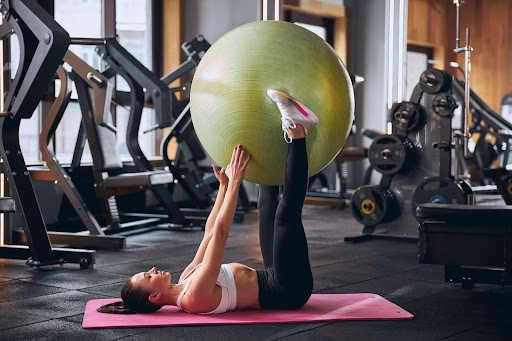
- Elliptical Training: This is an excellent option for a low-impact exercise that still elevates the heart rate. It reduces the stress on the abdominal area while providing an excellent cardiovascular workout.
- Dance Aerobics: For those who prefer a more dynamic and energising form of exercise, dance aerobics can be both enjoyable and effective. It’s a wonderful way to increase energy levels and manage estrogen levels, as long as the routines are tailored to avoid high-impact moves like box jumps.
- Rowing: A unique full-body workout, rowing on a machine offers both strength and cardiovascular benefits. It’s a type of exercise that works on the entire body without putting undue pressure on the areas affected by endometriosis.
An exercise physiologist or a qualified trainer can help tailor these exercises to individual needs, ensuring that the intensity and type of activity are suited to managing symptoms. Remember, when done correctly, regular exercise, like cardio benefits for endometriosis, can be a powerful tool in managing endometriosis and its associated symptoms. It’s all about finding the right balance that works for your body.
Cardio’s Role in Pain Management and Symptom Reduction
Cardiovascular exercise, often called cardio, plays a crucial role in managing and alleviating the symptoms of endometriosis. Here’s how regular exercise, mainly cardio, can be transformative for people with endometriosis:
- Alleviating Chronic and Pelvic Pain: Regular cardio exercise can reduce pain associated with endometriosis. Enhancing blood flow and muscle strength in the pelvic area can lessen period pain and discomfort.
- Improving Aerobic Fitness: Cardio exercises increase aerobic fitness, vital for overall health. Improved fitness levels can lead to better management of endometriosis symptoms and enhance the quality of daily life.
- Types of Exercise for Symptom Improvement: Certain types of exercises, like low-impact aerobic activities, have shown potential benefits in improving symptoms. Activities such as brisk walking, cycling, or swimming are gentle on the body and can be particularly beneficial during the luteal phase of the menstrual cycle.
- Impact of Regular Exercise: Engaging in a regular exercise routine has been linked to symptom improvements. Consistency is key, and incorporating exercise into daily life can lead to long-term benefits in managing endometriosis.
- Exercise History and Personalisation: It’s essential to consider one’s exercise history when choosing the type of cardio. Personalising the exercise routine to suit individual needs and limitations is crucial in endometriosis pain management.
- Exercise for Women with Endometriosis: Tailoring exercise programs specifically for women with endometriosis can help manage the physical symptoms and emotional stress that often accompanies the condition.
In conclusion, while cardio exercise cannot cure endometriosis, its role in managing pain and improving symptoms is undeniable. Regular, tailored aerobic exercise can bring significant relief and should be considered a key component of endometriosis pain management strategies.
Integrating Cardio into Your Lifestyle
Have you ever pondered how cardio benefits for endometriosis can be incorporated into your daily routine? Integrating cardio isn’t just about hitting the gym; it’s about crafting a lifestyle that accommodates this vital form of exercise in women, particularly those grappling with endo symptoms.
Here are some practical tips to seamlessly incorporate cardio into your life:
- Start with Low-Impact Activities: If you’re new to cardio or have period pain concerns, begin with low-impact exercises. Think walking, swimming, or using an elliptical machine. These activities are less strenuous on your body, especially the abdominal area, which can be sensitive due to endometriosis.
- Gradually Increase Intensity: Consider incorporating more strenuous exercise as your body adapts. This gradual approach helps you test what works for your body without aggravating endo symptoms.
- Mix It Up with High-Impact Options: If your body responds well, slowly include high-impact exercises like jogging or aerobics. However, it’s essential to listen to your body and scale back if you experience discomfort or worsening of symptoms.
- Incorporate Abdominal Exercises: Gentle abdominal exercises can strengthen your core, alleviating some endometriosis discomfort. But remember, the key is gentleness to avoid exacerbating pelvic pain.
- Balance with Other Forms of Exercise: While cardio is beneficial, balancing it with other forms, like yoga or Pilates, can provide a holistic approach to managing endometriosis. These exercises focus on flexibility, strength, and relaxation, complementing the benefits of cardio.
- Consult with a Professional: Before starting any new exercise regime, especially if you have endometriosis, it’s wise to consult a healthcare provider or a physiotherapist specialising in endometriosis care.
Remember, the idea is to find joy and relief in these activities, making them a routine and a cherished part of your lifestyle. Cardio benefits for endometriosis, when done right, improve your quality of life and control period pain.
Professional Guidance and Personalised Workout Plans
Are you navigating the challenges of endometriosis and wondering how to tailor your exercise routine? Explore why professional guidance is pivotal in customising cardio workouts, especially for women battling endometriosis-associated pain.
Why Consulting Fitness Professionals is Crucial:
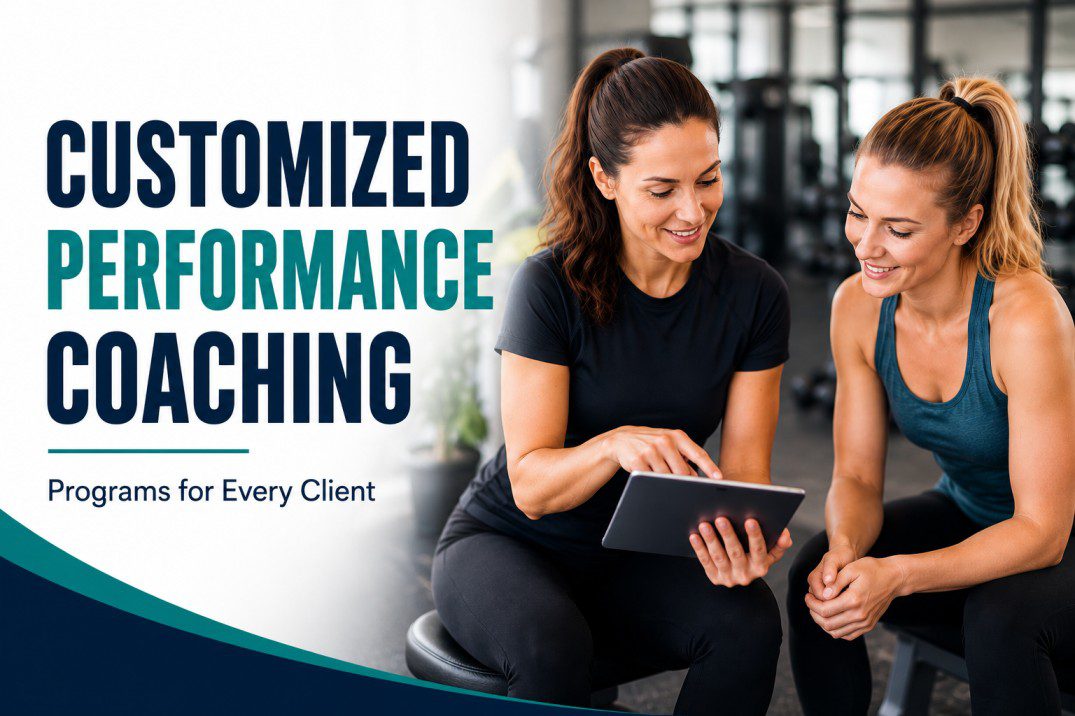
- Understanding Your Body’s Needs: A physical therapist or fitness expert can provide insights into how different types of exercise impact women with endometriosis. They’re equipped with the knowledge to suggest exercises that manage symptoms effectively without exacerbating them.
- Tailoring Your Cardio Routine: Generic workout plans aren’t always suitable for those with endometriosis. Experts can customise cardio routines considering factors like pain levels, energy fluctuations, and the impact of exercise on your condition.
- Safeguarding Against Overexertion: Overdoing exercise can trigger or worsen endometriosis-associated pain. Fitness professionals can guide you on exercising at a safe intensity, ensuring you don’t push your body beyond its limits.
- Adapting to Changes: Endometriosis symptoms can fluctuate, requiring adjustments in your workout plan. A trained expert can modify your routine in response to these changes, ensuring continuity in your fitness journey.
- Support and Motivation: Navigating endometriosis can be challenging, but having a professional by your side provides support and motivation. They can help keep you on track, encourage you through tough days, and celebrate your successes.
Incorporating cardio into your fitness regime when dealing with endometriosis doesn’t have to be a solo journey. Professional guidance can make a significant difference in managing symptoms, customising your workout plan, and enhancing your overall well-being. So why not take that step and consult a fitness professional? It could be your gateway to a more balanced and pain-managed lifestyle.
Overcoming Challenges and Staying Motivated
Ever wondered how to stick to your cardio routine despite the hurdles thrown by endometriosis? Let’s talk about overcoming these challenges and harnessing the cardio benefits of endometriosis with sustained motivation and adherence.
Navigating Common Hurdles:
- Dealing with Fluctuating Pain Levels: On days when endometriosis pain peaks, adjust the intensity of your cardio. Opt for gentle activities like walking or light cycling. It’s about finding a balance that respects your body’s signals.
- Managing Fatigue: Endometriosis can be draining. On days you feel low on energy, shorter but more frequent cardio sessions can be more effective. Remember, a little goes a long way.
- Coping with Menstrual Fluctuations: Hormonal changes can affect your exercise tolerance. Listen to your body and adapt your routine accordingly, perhaps opting for lower-impact exercises during more sensitive times.
Staying Motivated:
- Set Achievable Goals: Rather than aiming for intensive sessions, set realistic, achievable targets. Celebrate small victories – like completing a 15-minute walk.
- Create a Routine: Consistency is key. Schedule your cardio sessions like any other necessary appointment. Regularity breeds habit.
- Find Enjoyable Activities: Choose forms of cardio that you enjoy. Whether it’s dancing, swimming, or cycling, pleasure in the activity boosts adherence.
- Seek Support: Joining a community in person or online can provide a motivational boost. Share experiences, tips, and encouragement with others who understand your journey.
- Reward Yourself: Set up a reward system for meeting your exercise goals. It could be anything from a relaxing bath to your favourite meal.
Staying motivated while managing endometriosis can be challenging, but with the right strategies, it’s certainly achievable. Remember, the goal is to find a balance that works for you, reaping the cardio benefits of endometriosis without overwhelming your body. Keep pushing forward, and exercise becomes a rewarding part of your physical and mental routine.
Embracing Cardio for a Healthier You

Wrapping up, the cardio benefits for endometriosis are clear. Cardio exercise is a powerful ally in managing endometriosis symptoms, from easing pelvic pain to enhancing quality of life. Remember, it’s not about high intensity or long durations; it’s about finding what works for you and embracing it wholeheartedly. So, why not lace up those sneakers and take the first step on your cardio journey today? Your body—and mind—will thank you.
Connect with MH Performance
Ready to unlock the cardio benefits for endometriosis? MH Performance is here to guide you. We understand endometriosis’s unique challenges and are committed to helping you create a personalised cardio plan that suits your needs and goals. Our expert team is ready to provide the support and guidance you need to manage endometriosis effectively through exercise. Don’t let endometriosis control your life. Take charge today, reach out to MH Performance, and journey to a healthier, happier you.