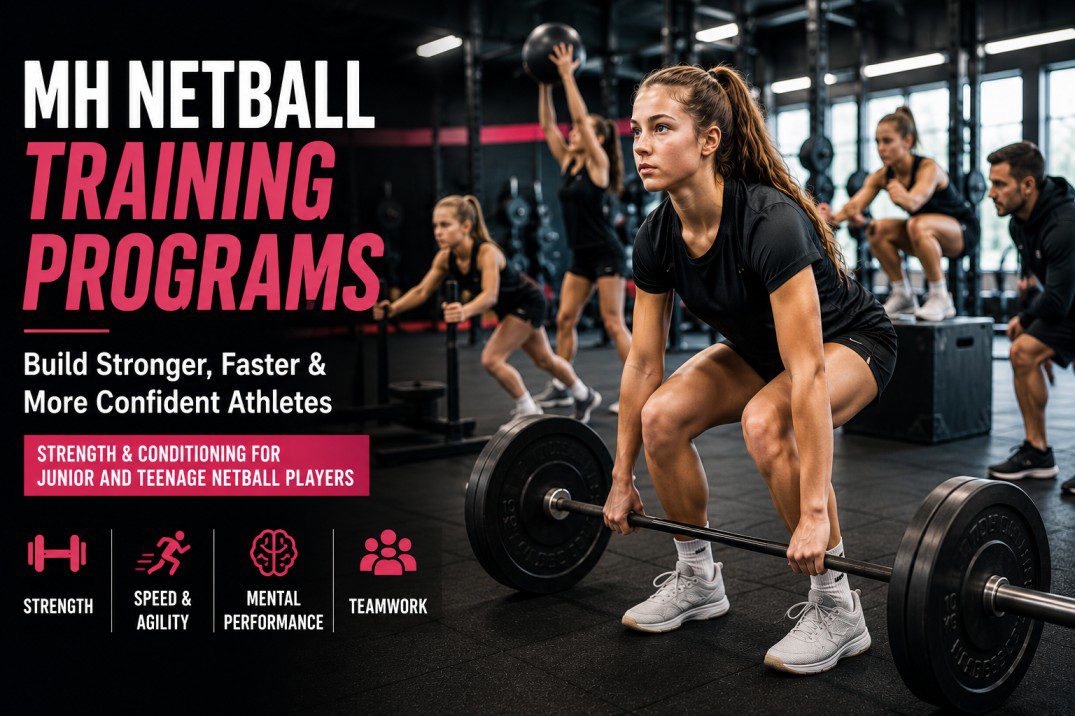

Physical health refers to the body’s overall well-being, including fitness, nutrition, and disease prevention. It is essential to a person’s overall health and quality of life. Physical health involves more than just the absence of illness. It also includes regular exercise, balanced nutrition, adequate rest, and a healthy lifestyle.
When you prioritise your physical health, you invest in your body’s ability to function at its best, now and in the future. This investment can lead to numerous benefits, including increased energy levels, improved mood, better sleep quality, and reduced risk of chronic diseases.
MH Performance Coaching specialises in helping women achieve the best physical health through personalised coaching and holistic approaches. We recognise that each individual’s journey to physical wellness is unique, and we customise our programs to meet your specific needs and goals. Whether you want to improve your fitness, manage your weight, or enhance your overall well-being, our expert coaches guide you through every step. At MH Performance Coaching, we understand that maintaining good physical health is essential for women to succeed in all areas of life.
Table of Contents
ToggleWhat is Physical Health?
Physical health is the overall well-being and proper functioning of the body. It is the condition of your body systems, organs, and tissues that allows you to perform daily activities without undue fatigue or physical stress. Physical health is not merely the absence of disease but complete physical well-being that enables individuals to live full and active lives.
What are the Benefits & Importance of Physical Health for Overall Well-Being?
Benefits of physical health include:
- Improved mood and mental health: Regular physical activity stimulates the release of endorphins and serotonin, which are neurotransmitters that help improve mood and reduce symptoms of depression and anxiety.
- Better sleep quality: Exercise can improve sleep by reducing the time it takes to fall asleep, increasing sleep duration, and enhancing overall sleep quality. Physical activity helps regulate the circadian rhythm, promoting better sleep patterns.
- Increased energy levels: Regular exercise boosts energy by improving cardiovascular health and increasing the body’s ability to deliver oxygen and nutrients to tissues. This leads to greater stamina and reduced fatigue throughout the day.
- Enhanced cognitive function: Physical activity has been shown to improve attention, focus, memory, and decision-making skills. Exercise increases blood flow to the brain, promoting the growth of new brain cells and improving overall cognitive performance.
- Stronger immune system: Regular physical activity strengthens the immune system by promoting good circulation. This allows immune cells to move more efficiently through the body, helping the body detect and fight infections more effectively.
- Reduced risk of chronic diseases: Exercise is crucial in preventing and managing various chronic conditions, including heart disease, type 2 diabetes, and certain cancers. Regular physical activity helps maintain healthy blood pressure, cholesterol levels, and blood sugar control.
- Improved cardiovascular health: Physical activity strengthens the heart muscle, improves circulation, and helps maintain healthy blood pressure levels. This reduces the risk of heart disease and stroke.
- Better weight management: Regular exercise and a balanced diet help maintain a healthy weight by burning calories and building lean muscle mass. This can prevent obesity and related health issues.
- Increased longevity: Studies have shown that regular physical activity is associated with a longer life expectancy. Exercise helps reduce the risk of premature death by improving overall health and reducing the likelihood of developing chronic diseases.
- Enhanced self-confidence and self-esteem: Achieving fitness goals, improving physical appearance, and experiencing the positive effects of exercise can boost self-confidence and self-esteem. This can lead to improved body image and a more positive outlook on life.
The importance of physical health cannot be overstated. It forms the foundation for overall well-being and affects life’s mental, emotional, and social aspects. Good physical health enables individuals to pursue their goals, maintain independence, and enjoy a higher quality of life. It also reduces healthcare costs and promotes resilience against various health challenges.
What are Examples & Characteristics of Good Physical Health in Daily Life?
Examples of good physical health:
- Maintaining a healthy body weight
- Having clear, healthy skin
- Experiencing regular bowel movements
- Maintaining good posture
- Having consistent energy levels throughout the day
- Recovering quickly from minor illnesses
- Sleeping soundly and waking refreshed
Characteristics of good physical health:
- Efficient body systems functioning
- Strong immune system
- Healthy cardiovascular endurance
- Good muscular strength and flexibility
- Balanced nutrition and hydration
- Adequate sleep patterns
- Ability to manage stress effectively
What Factors Impact Physical Health?
Factors impacting physical health include:
- Environmental factors: The air, water, and soil quality in our surroundings can significantly affect our health. Environmental exposure to toxins or harmful chemicals can lead to various health issues.
- Access to healthcare: The availability, affordability, and quality of healthcare services play crucial roles in maintaining and improving physical health. Regular check-ups and timely medical interventions can effectively prevent or manage health conditions.
- Socioeconomic status: Income levels and social standing can impact access to resources that promote good health, such as nutritious food, safe housing, and recreational facilities.
- Genetics: Genetic makeup can predispose us to certain health conditions or influence our body’s response to various environmental factors.
- Occupational hazards: The nature of one’s work can expose individuals to specific health risks, such as physical strain, chemical exposure, or stress-related issues.
- Social support networks: The presence or absence of strong social connections can influence mental and physical well-being. Positive relationships can provide emotional support and encourage healthy behaviours.
- Cultural factors: Customs, traditions, and beliefs can shape health-related behaviours and attitudes towards seeking medical care.
- Education level: Higher education is often associated with better health outcomes, as it can increase health literacy and awareness of healthy lifestyle choices.
- Age: As we age, our bodies undergo various changes that can impact physical health, requiring different approaches to maintaining wellness at different life stages.
- Climate and geographical location: The climate and geographical features of our homes can affect our physical health, influencing factors such as exposure to sunlight, air quality, and opportunities for outdoor activities.
What Are the Pillars of Physical Health?
The pillars of physical health are:
- Nutrition: A balanced diet provides essential nutrients for bodily functions.
- Exercise: Regular physical activity maintains fitness and prevents diseases.
- Sleep: Good-quality sleep is needed for physical and mental restoration.
- Stress management: Effective coping strategies protect against stress-related health issues.
- Hydration: Proper fluid intake is essential for bodily functions and overall health.
- Preventive care: Regular check-ups and screenings help maintain health and detect issues early.
How Does Poor Physical Health Affect Social and Mental Health?
Poor physical health can negatively impact social interactions and mental well-being. When individuals experience health issues, they often withdraw from social activities, leading to isolation. Physical limitations or discomfort can make it challenging to engage with others, causing people to avoid social gatherings or outings.
Chronic health conditions frequently trigger feelings of sadness, worry, and stress. The constant battle with illness can wear on a person’s emotional state, potentially leading to depression or anxiety. This mental strain can further worsen the tendency to withdraw from social situations.
Fatigue, a common symptom of many health problems, can make communication and social engagement difficult. When constantly tired, people may struggle to maintain conversations or participate in social activities, leading to fewer meaningful interactions.
Physical discomfort or pain can also result in mood changes, including irritability and mood swings. These emotional fluctuations can strain relationships with family, friends, and colleagues, as the individual may struggle to maintain a consistent demeanour.
Lastly, health issues can negatively impact body image and self-esteem. When people feel uncomfortable with their physical appearance or capabilities due to illness, it can affect their confidence in social situations and personal relationships. This decreased self-assurance may lead to further social withdrawal and isolation, creating a cycle that causes adverse effects on both social and mental health.
What Are the Common Causes of Physical Health Problems?
Common causes of physical health problems include:
- Sedentary lifestyle: Lack of physical activity increases the risk of various health issues.
- Poor nutrition: An unhealthy diet contributes to obesity and chronic diseases.
- Stress: Chronic stress weakens the immune system and affects overall health.
- Lack of sleep: Insufficient rest impairs bodily functions and recovery.
- Substance abuse: Alcohol, tobacco, and drug use harm physical health.
- Environmental factors: Pollution and toxins can lead to health problems.
- Genetic predisposition: Inherited traits may increase susceptibility to certain conditions.
- Infectious diseases: Viruses and bacteria can cause acute and chronic health issues.
What Types of Food Are Best for Physical Health?
Foods best for physical health include:
- Fruits and vegetables: Rich in vitamins, minerals, and antioxidants.
- Whole grains: Provide fibre and essential nutrients.
- Lean proteins: Support muscle health and repair.
- Healthy fats: Essential for hormone production and nutrient absorption.
- Legumes: Excellent source of plant-based protein and fibre.
- Nuts and seeds: Contain healthy fats and various nutrients.
- Fish: Rich in omega-3 fatty acids for heart and brain health.
- Low-fat dairy: Provides calcium and vitamin D for bone health.
What Are Some Tips for Achieving Health and Wellness?
- Maintain a balanced diet with plenty of fruits and vegetables.
- Engage in regular physical activity, aiming for at least 150 minutes weekly.
- Get 7-9 hours of quality sleep each night.
- Stay hydrated by drinking adequate water throughout the day.
- Practice stress-reduction techniques like meditation or deep breathing.
- Limit alcohol consumption and avoid smoking.
- Schedule regular health check-ups and screenings.
- Foster positive social connections and relationships.
- Set realistic health goals and track your progress.
- Take breaks from prolonged sitting and incorporate movement into your daily routine.
What Role Does Exercise Play in Physical Health?
Exercise plays an important role in maintaining and improving physical health. It strengthens muscles and bones, reducing the risk of osteoporosis and improving overall body composition. Regular physical activity enhances cardiovascular health by improving heart and lung function, lowering blood pressure, and reducing the risk of heart disease.
Exercise is essential for weight management, helping to burn calories and maintain a healthy body mass index. It significantly reduces the risk of chronic diseases such as diabetes, obesity, and certain cancers. Additionally, exercise boosts mood and energy levels by releasing endorphins, improving mental health, and increasing overall vitality.
What Are Effective Ways to Maintain or Improve Physical Health?
Effective ways to maintain or improve physical health include:
- Regular exercise: Engage in a mix of cardio and strength training.
- Balanced nutrition: Consume a varied diet of fruits, vegetables, and whole grains.
- Adequate sleep: Prioritise 7-9 hours of quality sleep nightly.
- Stress management: Practice relaxation techniques like meditation or yoga.
- Hydration: Drink sufficient water throughout the day.
- Regular check-ups: Schedule preventive health screenings and visits.
- Limit harmful habits: Reduce alcohol intake and quit smoking.
- Active lifestyle: Incorporate movement into daily routines, like taking the stairs.
- Mental health care: Address emotional well-being through therapy or counselling if needed.
Why Choose MH Performance Coaching for Holistic Health in Myaree & Wangara?
MH Performance Coaching offers personalised, holistic health solutions for women in Myaree and Wangara. Its expert coaches specialise in fitness, gut health, hormonal balance, and sports performance. Focusing on evidence-based strategies, customised workout plans, and comprehensive progress tracking, MH Performance Coaching provides custom-designed programs to help women achieve sustainable health and fitness results.
Does maintaining physical health give Perth athletes a competitive edge in sports?
Yes, maintaining physical health can give Perth athletes a competitive edge in sports. Physical health enhances performance, reduces injury risk, and improves recovery times. Athletes prioritising nutrition, sleep, and stress management are better equipped to excel in their chosen sports.
Do you prioritise sleep for physical health?
Yes, prioritising sleep is crucial for physical health. It boosts immune function and enhances cognitive performance. Many people underestimate the importance of quality sleep. However, prioritising sleep can improve overall health and well-being, leading to improved energy levels, better mood, and increased productivity during waking hours.
Are you managing stress to support wellness?
Yes, managing stress is essential for supporting overall wellness. Effective stress management techniques like mindfulness and meditation can help calm the mind and lower stress levels. Regularly practising these techniques can improve mental clarity and reduce stress, contributing to better physical and psychological health.
Do you practice mindfulness for better health?
Yes, practising mindfulness can improve your health. Mindfulness techniques have been shown to help relieve stress, lower blood pressure, reduce chronic pain, improve sleep, and alleviate gastrointestinal difficulties. Additionally, mindfulness can enhance overall well-being by increasing engagement in daily activities and improving connections with others.
Do you maintain consistent energy during workouts?
Yes, maintaining consistent energy during workouts is essential for adequate exercise. Focus on proper nutrition, hydration, and rest to boost energy levels. Eating balanced meals, staying hydrated, and ensuring sufficient sleep can significantly improve workout performance and help you complete planned routines with optimal intensity.
Are you happy with your body composition?
Yes, being happy with your body composition is important for overall well-being. A healthy body composition, with balanced fat and lean mass, can improve energy levels, reduce disease risks, and boost self-esteem. Regular exercise and proper nutrition are needed to achieve and maintain this balance.
Does your diet support muscle recovery?
Yes, a healthy diet is important for supporting muscle recovery. Consuming adequate protein stimulates muscle protein synthesis and facilitates repair. Including branch-chain amino acids, particularly leucine, and combining protein with carbohydrates can enhance recovery and decrease muscle breakdown after exercise.