
Have you ever pondered how diet and nutrition for endometriosis could play a role in managing this challenging health condition? Endometriosis, often marked by pelvic pain and other discomforts, significantly impacts the lives of many women. But here’s a thought – what if altering your diet could bring some relief? This blog aims to unravel the connection between diet and nutrition and managing endometriosis symptoms. We’ll dive into an enlightening guide on endo-friendly eating, offering insights into how simple dietary changes can ease the discomfort associated with this condition.
Understanding Endometriosis and Nutrition
Exploring the Condition
Endometriosis is a health condition characterised by tissue similar to the uterus lining growing outside of it, often around the fallopian tubes or ovaries. This growth leads to pelvic pain and a spectrum of other symptoms. The complexity of endometriosis is heightened as its symptoms can mirror those of irritable bowel syndrome (IBS), complicating diagnosis and management.
Diverse Symptoms and Challenges
- Symptoms of endometriosis vary significantly, including menstrual irregularities, fatigue, and fertility issues, adding complexity to managing the condition.
- The overlap with other conditions like IBS necessitates a comprehensive understanding of effective management.
The Impact of Diet on Symptoms
In endometriosis management, diet plays a crucial role. The right dietary choices can help alleviate some symptoms, although there is no cure for the condition itself.
Nutritional Strategies for Symptom Management
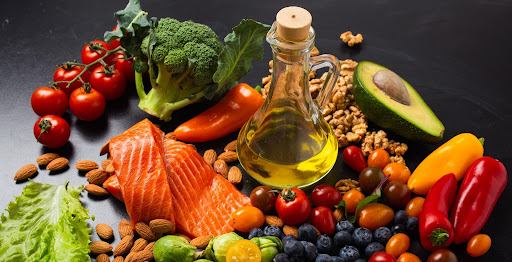
- Diets rich in omega-3 fatty acids, found in oily fish and leafy greens, can help reduce oxidative stress and inflammation, critical factors in endometriosis.
- Reducing fat intake and increasing fibre, particularly from green vegetables, has shown potential in symptom relief.
Tailoring Your Diet for Endometriosis
Endometriosis uniquely affects individuals, meaning a one-size-fits-all dietary approach is less effective. Personalised diets are more beneficial.
Personalised Dietary Adjustments
- A gluten-free diet or reduced meat consumption may benefit some but not all. It’s crucial to observe how different foods affect individual symptoms.
- Personalising your diet can help manage abdominal pain and slow endometriosis’s progression.
Incorporating Comprehensive Nutritional Approaches
- The focus should be on a balanced diet that supports overall health, including fruits, vegetables, whole grains, and lean proteins.
- Under medical guidance, supplements like fish oil capsules, which are rich in omega-3, might be beneficial, especially when dietary sources are insufficient.
Understanding Individual Needs
- Recognising and respecting individual dietary needs and responses is vital. What works for one person may only work for one person.
- Regular monitoring and adjusting dietary habits are essential in finding what best supports an individual’s endometriosis management.
Combining Diet with Other Management Strategies
- Diet and nutrition for endometriosis should be part of a broader management plan. This may include medical procedures, physical therapy, and lifestyle changes.
- Collaborating with healthcare providers and nutritionists can ensure a well-rounded approach to managing endometriosis.
Fundamental Dietary Changes for Endometriosis
Understanding the role of specific nutrients is vital when addressing diet and nutrition for endometriosis. Here’s how to tweak your diet for better management of this condition.
Incorporating Anti-Inflammatory Foods
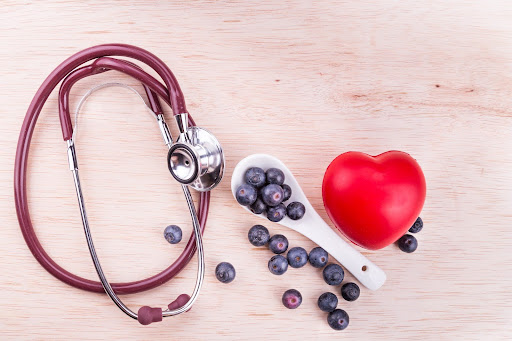
- Inflammation plays a significant role in endometriosis and related pelvic pain. Including foods with anti-inflammatory properties can help alleviate these symptoms. Think of items like olive oil, rich in anti-inflammatory compounds, and leafy vegetables, known for their health benefits.
- Fatty fish, such as salmon, are packed with omega-3 fats. These fatty acids have anti-inflammatory effects and contribute to overall health. Including them regularly can be a game changer.
Role of Omega-3 Fatty Acids and Fiber
- Omega-3 fatty acids are crucial in reducing inflammation. A diet rich in these, from sources like fatty fish or fish oil capsules, can significantly impact the management of endometriosis symptoms.
- These nutrients are not just vital for combating inflammation but also play a role in reducing the risk of endometriosis. Regularly consuming omega-3-rich foods can be a strategic part of your diet.
Importance of a High-Fibre Diet in Endometriosis Management
- Hormonal Balance: A fibre-rich diet, especially incorporating leafy vegetables and whole grains, is crucial for hormonal balance. This could reduce the risk of developing endometriosis.
- Support from Observational Studies: Research, including observational studies, highlights fibre’s importance in effectively managing endometriosis symptoms.
- Regulating Estrogen Levels: Increasing fibre intake is crucial in controlling estrogen levels, often implicated in endometriosis-related pain. This regulation is essential for alleviating some of the discomfort associated with endometriosis.
Managing Painful Symptoms Through Diet
- The proper diet can have a profound effect on managing painful symptoms of endometriosis. By focusing on anti-inflammatory and high-fibre foods, you can create a dietary environment that supports pain reduction and symptom management.
- This approach to diet and nutrition for endometriosis doesn’t just focus on immediate relief from symptoms and aims at long-term management and possibly reducing the condition’s progression.
By making these vital dietary changes, you’re addressing the immediate discomforts associated with endometriosis and taking proactive steps towards a more balanced and healthier lifestyle. These adjustments in diet and nutrition for endometriosis can be a powerful tool in your overall management strategy.
Foods to Include in an Endo-Friendly Diet
Crafting a supportive diet and nutrition for endometriosis plan involves focusing on foods that nourish your body and help manage the symptoms. Here’s a more detailed look at the food groups that can be beneficial.
Fruits, Vegetables, and Whole Grains
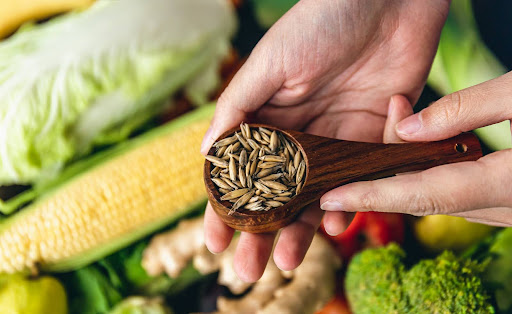
- A diet rich in fruits and vegetables is essential in managing endometriosis. These foods are packed with essential vitamins and minerals and possess natural anti-inflammatory properties.
- Incorporating a range of green vegetables and vibrant fruits ensures a diverse intake of nutrients. Each colour offers different health benefits – for example, leafy greens are high in iron and calcium, while berries provide antioxidants.
Benefits of Whole Grains
- Whole grains are an integral part of a balanced diet for endometriosis. They provide sustained energy, crucial for managing fatigue often associated with endometriosis.
- Foods like quinoa, brown rice, and whole wheat contain high levels of fibre, promoting a healthy digestive system – a key aspect considering the link between endometriosis and gastrointestinal symptoms.
Lean Proteins and Omega-3 Rich Foods
- Including lean proteins in your diet, like chicken and turkey, and plant-based options, like legumes and tofu, is essential. These proteins provide the necessary nutrients without contributing to inflammation.
- Lean proteins also help in muscle repair and maintenance, which can be beneficial if you exercise gently in your endometriosis management.
Omega-3: A Key Nutrient
- Omega-3 fatty acids, found in abundance in fatty fish such as salmon, mackerel, and sardines, are crucial in reducing inflammation associated with endometriosis.
- For those who don’t consume fish, alternatives like fish oil capsules or flaxseeds can be effective. Regular consumption of these omega-3 sources has been linked to decreased endometriosis symptoms.
Incorporating Healthful Foods into Daily Diet
- It’s essential to balance nutrition with taste. Preparing delicious meals with these ingredients ensures your diet is enjoyable and sustainable.
- Experimenting with herbs and spices can add flavour without excessive salt or fat, which are best limited in a diet for endometriosis.
Creating Diverse and Satisfying Meals
- Variety is critical to a satisfying diet. Try different recipes and cooking methods to keep your meals exciting and appealing.
- Remember, the goal is to create a diet that supports your health while fitting into your lifestyle. This approach to diet and nutrition for endometriosis is not about restriction but about enriching your diet with foods that soothe and nourish your body.
Foods to Avoid or Limit
Diet and nutrition for endometriosis isn’t just about what to include; it’s equally important to know what to avoid. Certain foods can exacerbate endometriosis symptoms, making careful selection key.
Trigger Foods to Watch Out For
- Processed foods and red meat are often linked to increased endometriosis risk. These contain high levels of animal fats, which some observational studies suggest could influence the development of endometriosis.
- Excessive caffeine has also been scrutinised in the pathogenesis of endometriosis. It might affect estrogen levels, crucial in this estrogen-driven inflammatory condition.
Finding Healthier Alternatives
- Choosing leaner protein sources and increasing plant-based foods can be beneficial. For example, it replaces meat consumption with fibre-rich options like legumes or tofu.
- If you’re a coffee lover, consider reducing your intake or switching to lower-caffeine options like tea. It’s all about moderation and finding what works for your body.
The Role of Sugars and Refined Carbs
- Refined carbohydrates and high sugar content can also impact endometriosis risk. These foods can cause inflammation and may affect hormonal balance.
- Opting for whole grains and natural sugars from fruits can be a healthier choice, offering the sweetness you crave without the adverse effects.
Dairy and Endometriosis
- Dairy products, particularly those high in fat, can contribute to endometriosis symptoms for some individuals. They can influence estrogen activity, which is a crucial factor in endometriosis.
- Exploring dairy alternatives like almond milk or soy products can be a wise choice for your diet. These options offer the calcium you need without the potential risks of high-fat dairy.
Understanding the impact of specific foods on endometriosis is crucial. By limiting or avoiding trigger foods and exploring healthier alternatives, you can better manage your symptoms and improve your overall well-being. Remember, every person’s body responds differently, so finding what works best for you in your journey with endometriosis is essential.
Special Considerations for Endometriosis Diet
When considering diet and nutrition for endometriosis, focusing on a balanced approach that caters to your body’s specific needs is crucial. Managing endometriosis through diet involves more than just avoiding certain foods; it’s about creating a nourishing and sustainable eating plan.
Navigating Dietary Challenges
- For many women with endometriosis, a gluten-free diet or a low-FODMAP diet can be beneficial, especially if you’re experiencing disrupted bowel habits. These diets can help identify food triggers and alleviate gastrointestinal discomfort.
- However, ensuring you’re getting all essential nutrients is vital. Consulting a nutritionist can guide balancing these diets without compromising on nutrition.
Incorporating Beneficial Nutrients
- Adding fish oil capsules or foods rich in anti-inflammatory compounds is smart. These can complement a high-fibre diet often recommended for endometriosis management.
- Such dietary adjustments can help reduce inflammation and relieve endometriosis symptoms while ensuring a well-rounded nutrient intake.
Making Gradual Adjustments
- Transitioning to an endometriosis-friendly diet doesn’t mean you have to change everything at once. Gradually introduce new, beneficial foods, and observe how your body responds to these changes.
- This gradual introduction helps identify what works best for your body, ensuring the diet is practical and enjoyable.
Sustainable Lifestyle Changes
- Remember, adjusting your diet is not about an overnight transformation. It’s about integrating sustainable changes into your lifestyle. This approach ensures that the dietary modifications are not just for managing endometriosis but also contribute to your overall health and well-being.
- Regularly reviewing and adjusting your diet as needed, in consultation with healthcare professionals, can make a significant difference in managing endometriosis.
By paying particular attention to diet and nutrition for endometriosis, you can create a dietary plan that manages the symptoms and enhances your overall quality of life. Remember, every small step towards a balanced and tailored diet is a stride towards better managing endometriosis.
Empowering Your Journey with Endo-Friendly Nutrition
As we wrap up, it’s clear that diet and nutrition for endometriosis play a significant role in managing this challenging condition. We’ve explored how certain foods can influence symptoms of endometriosis and how making mindful dietary choices can reduce the risk of endometriosis.
Recapping the Nutritional Approach
- Incorporating fibre intakes through a high-fibre diet and opting for omega-3 fats can be beneficial. On the other hand, reducing foods that might heighten endometriosis risk, such as certain animal fats and processed items, is advisable.
- For some, a gluten-free diet or increasing anti-inflammatory compounds through foods or fish oil capsules might offer relief.
A Holistic Perspective on Endo-Management
- Embracing a healthy diet tailored for endometriosis doesn’t just address the physical aspects; it’s about nurturing your overall well-being. Dietary changes should be considered part of a comprehensive management plan, including medical advice and lifestyle adjustments.
- Remember, every journey is unique. Gradual changes in dietary intakes and listening to your body are fundamental. It’s not just about managing a condition; it’s about empowering yourself to live a healthier, more balanced life with endometriosis.
Elevate Your Endo-Wellness with MH Performance
Take control of your endometriosis journey with MH Performance, where we believe that the proper diet and nutrition for endometriosis can make all the difference. Our team is dedicated to crafting personalised dietary strategies that align with your unique needs and lifestyle.
Expert Nutritional Guidance Tailored for You
- At MH Performance, we understand that every endometriosis experience is unique. Our nutrition experts specialise in developing individualised dietary plans to alleviate symptoms and enhance overall well-being.
- We delve deep into the latest research and insights on diet and nutrition for endometriosis to ensure you receive the most effective, science-backed dietary advice.
Join Our Supportive Community
- Embarking on your dietary management journey with MH Performance means you’re not alone. You’ll be part of a supportive community that understands the challenges and triumphs of living with endometriosis.
- Our compassionate approach extends beyond diet, offering holistic support to empower you in every aspect of managing your condition.
Ready to explore how a tailored diet can transform your endometriosis management? Contact MH Performance today. Let us guide you towards a more comfortable and fulfilling life, one meal at a time. Together, we can navigate the complexities of endometriosis with confidence and care.