
Have you ever considered the transformative role of working out with endometriosis? For many, the mere thought of exercise amidst the throes of this challenging condition seems daunting. Yet, it’s a journey worth exploring, especially for women grappling with endometriosis. In this context, exercise becomes more than just a routine; it’s a beacon of hope, a tool for empowerment. This guide is designed to illuminate the path for women with endometriosis, highlighting how tailored physical activity can coexist with this condition and enhance their quality of life.
1. Demystifying Endometriosis and Its Dance with Exercise
Understanding the Intricacies of Endometriosis

Endometriosis isn’t just a word; it’s a reality for numerous Australian women, marked by a journey through chronic pain and uncertainty. This gynecological condition, characterised by the growth of endometrial cells outside the uterus, often leads to severe pelvic pain, impacting daily life. It’s like an uninvited guest disrupting the body’s harmony, often causing discomfort during menstrual periods and bowel movements.
The Exercise Equation
Now, let’s talk about exercise. You might wonder, “How does working out with endometriosis fit this picture?” It’s a bit like finding the correct key for a complex lock. Exercise can be pivotal in managing symptoms, especially forms that strengthen the pelvic floor muscles and core. However, it’s not a one-size-fits-all scenario. While high-impact exercise might exacerbate pain levels, gentler forms of exercise could offer relief and even protective effects. It’s about striking the right balance, understanding the intensity of workouts your body can handle, and adapting to the daily ebb and flow of endometriosis pain.
2. Unlocking the Benefits of Exercise in Endometriosis Management
Positive Impact on Symptoms
Have you ever wondered how working out with endometriosis could transform your daily life? Regular exercise can be pivotal in managing endometriosis pain and improving quality of life. Engaging in moderate-intensity workouts, such as brisk walking or swimming, has yielded favourable pain outcomes, including reducing the day-level total pain score. This improvement in pain intensity can significantly enhance daily living, making routine tasks more manageable.
Beyond pain management, exercise has beneficial effects on the human body that are particularly relevant for women with endometriosis. It can help regulate hormonal imbalances, often a cornerstone of endometriosis medication. Consistent exercise, even a few hours per week, contributes to better body mass control and muscle strength, essential in managing symptoms.
Dispelling Misconceptions
There’s a common misconception that exercise with pain symptoms, especially those as challenging as endometriosis, might worsen the condition. However, the truth is quite the opposite. With the proper exercise recommendations tailored to your habitual exercise frequency and intensity, you can enjoy the beneficial effects against diseases like endometriosis without causing an extensive delay in recovery or increasing pain. It’s crucial to understand that while high-intensity workouts might not be advisable, gentle progressions in functional movements and low-impact exercises can be incredibly effective for endometriosis pain management.
3. Crafting Your Ideal Workout Plan
Personalising Your Routine
When it comes to creating a workout plan that accommodates endometriosis symptoms, personalisation is critical. Each woman’s experience with endometriosis is unique, making a definitive diagnosis and understanding of one’s exercise history crucial. Start by integrating exercises targeting core muscles, as strengthening can alleviate pelvic and abdominal pain associated with endometriosis.
Incorporating a variety of exercise types into your routine can also be beneficial. Low-impact exercises, such as yoga or pilates, are excellent for strengthening and flexibility without putting too much strain on your body. Similarly, muscle-strengthening activities like lightweight training can help build muscle strength, vital for overall body workout efficiency and pain management.
Exercise Types and Frequency
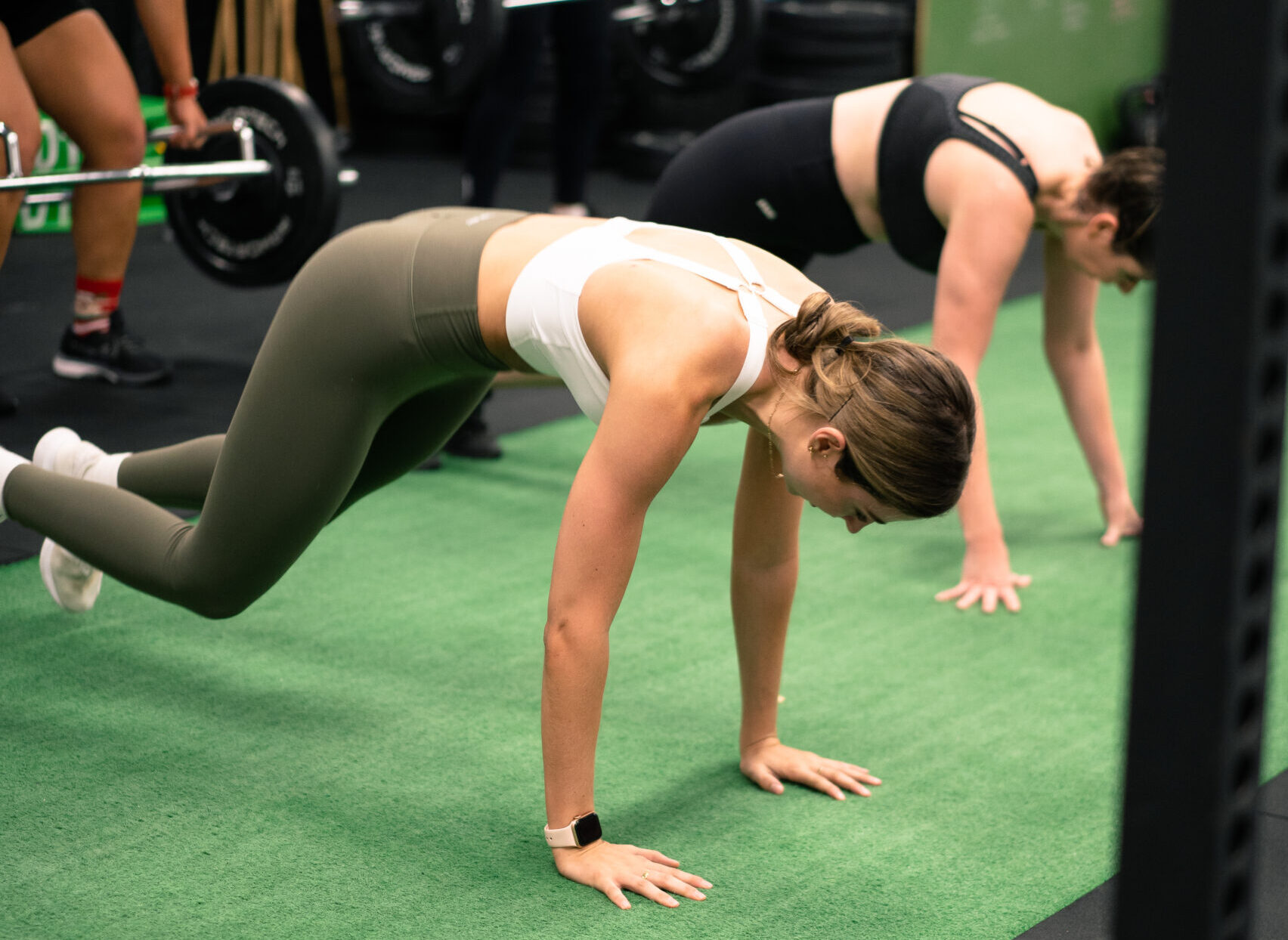
Determining the right exercise frequency and type is another vital aspect of a tailored workout plan. Daily exercise might be ideal for some, while others might find better results with fewer days of exercise each week. The key is to listen to your body and adjust accordingly. This becomes even more important for women undergoing hormonal medication, as your body’s response to exercise might vary based on medication phases.
Engaging in functional movements that mimic daily activities can also be highly effective. This approach ensures that your body is prepared for the demands of daily living, reducing the risk of injury and managing menstrual characteristics like heavy periods more effectively. Remember, the goal is not just exercise on endometriosis but a holistic improvement in your quality of life.
4. Listening to Your Body – The Key to Safe Exercise
Tuning in to Your Body’s Signals
When working out with endometriosis, listening to your body is paramount. This means understanding and respecting your physical limits. Here’s how to distinguish between a beneficial workout and one that could exacerbate your condition:
- Identifying Overexertion Signs: Recognise the warning signs like increased pelvic pain or heightened abdominal discomfort. These symptoms are your body’s signalling that you might be pushing too hard.
- Modifying Your Routine: Learn to adjust your workout on the fly. If you notice any signs of overexertion, it’s okay to dial back. Switching to lower-intensity abdominal exercises or opting for a less strenuous form of aerobic exercise can be more conducive to managing your symptoms.
5. Coping Strategies and Support Systems
Harnessing Support for Better Management
Managing endometriosis while maintaining an exercise routine requires more than physical endurance; it also requires emotional resilience. This section covers how to fortify yourself with the proper support and coping strategies:
- Leveraging Support Systems: Whether it’s friends, family, or a professional like a physical therapist, having a support network is crucial. They provide emotional backing and practical advice on tailoring your exercise program to suit your needs.
- They are employing Alternative Exercises and Relaxation Techniques: For days when your symptoms are more pronounced, having a backup plan of gentler exercises can be a lifesaver. Also, integrating relaxation practices can significantly aid in managing endometriosis pain and improving mental health.
By tuning into your body’s needs and leveraging support, you can create a balanced approach to working out with endometriosis, leading to better pain management and overall well-being.
6. Tackling the Tough Days – Practical Advice for Consistency
Real-Life Strategies for Exercise with Endometriosis
When working out with endometriosis, it’s not just about the gym sessions; it’s about navigating the day-to-day hurdles. Flare-ups can throw a spanner in the works, but you can keep your routine on track with the right approach. First off, listen to your body. If you’re experiencing severe pain, it might be a signal to tone down the intensity. Opt for gentler forms of physical exercise like yoga or swimming these days. It’s about finding that balance between staying active and not overdoing it.
Consistency is key when exercising with endometriosis. Plan your days of exercise around your energy levels. Some days, you might be up for a high-energy cardio session; on others, a brisk walk might be all you can manage – and that’s perfectly fine. It’s about making adjustments, not excuses. Keep a log of your daily pain scores and exercise activities. This record can help you identify patterns and plan your workouts accordingly. Remember, it’s a marathon, not a sprint. Small, consistent steps lead to significant progress over time.
7. Fuelling Your Fitness Journey – Diet and Nutrition
The Impact of Diet on Endometriosis and Exercise
When juggling exercise for women with endometriosis, diet plays a pivotal role. It’s not just about the calories; it’s about nourishing your body to manage symptoms and fuel your workouts. A balanced diet rich in anti-inflammatory foods can help manage endometriosis symptoms. Think leafy greens, omega-3-rich fish, and nuts. These foods can help reduce inflammation, which often contributes to the pain associated with endometriosis.
Hydration is also crucial, especially when you’re actively engaging in regular exercise. Water helps flush out toxins and keep your body at its optimum for physical activity. Remember, a well-fuelled body is more prepared to tackle the challenges of working out with endometriosis. Your diet isn’t just what you eat; it’s part of your strategy to keep moving forward.
Embracing Fitness with Endometriosis
In wrapping up our exploration of working out with endometriosis, the central takeaway is clear: the importance of a balanced, individualised exercise regimen. Regular exercise, tailored to each woman’s unique situation and health history, is crucial in managing this chronic condition. It’s about more than just adhering to a routine of hitting the gym several times per week; it’s about crafting a sustainable, respectful approach towards your body’s needs and limitations.
Despite the challenges posed by endometriosis, a condition affecting many women, an appropriate exercise prescription can make a significant difference. Your journey in exercise for endometriosis is deeply personal, intertwining physical health with empowerment and control. You can enhance your physical well-being and overall quality of life by integrating the knowledge, strategies, and exercise practices suited for this chronic disease.
Transform Your Journey with MH Performance
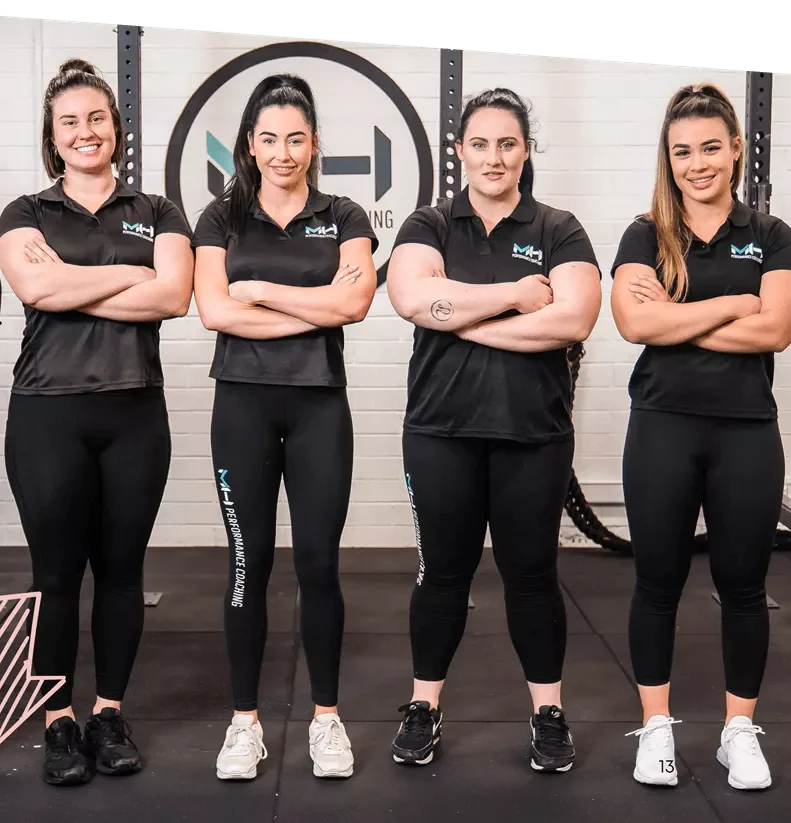
Struggling with working out with endometriosis? Discover how MH Performance coaching can revolutionise your fitness and health journey:
- Tailored Fitness Plans for Endometriosis: Specialised in creating personalised workout regimes for women with endometriosis.
- A Holistic Health-First Approach: Our philosophy centres around enhancing your overall well-being. We have strategies to improve digestion, vitality, and sleep for a balanced fitness journey.
- Decade of Science-Backed Expertise: Utilising proven methods developed with leading health and fitness experts. With sustainable, long-term results for your health and fitness goals.
- Comprehensive Services for Women: In-person and online options, including blood analysis, nutrition coaching, and more.
Ready to take control of your fitness journey with endometriosis? Contact MH Performance. Let’s collaborate to enhance your physical appearance and uplift your overall quality of life. Join us to feel and look your best every single day!