
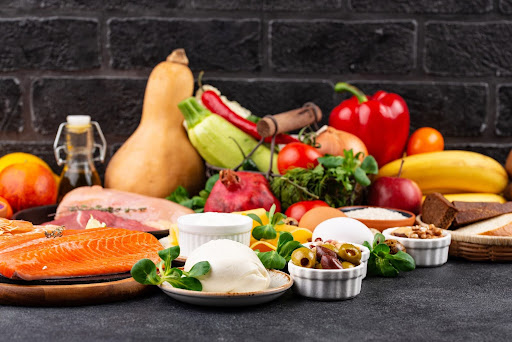
Have you ever pondered the powerful impact of having the best diet for autoimmune disease? For many, the connection between what we eat and autoimmune health is a revelation, opening up new avenues for managing symptoms and enhancing well-being.
This comprehensive guide delves into the intricate relationship between nutrition and autoimmune diseases. Understanding this connection is vital, as the proper diet can significantly alleviate symptoms, while the wrong choices might exacerbate them. From exploring the effects of certain foods on autoimmune symptoms to highlighting the benefits of anti-inflammatory diets, this article aims to provide valuable insights and practical advice for anyone seeking to improve their autoimmune health through dietary changes.
Join us as we unravel the complexities of autoimmune diseases and uncover the key to managing them effectively with the best diet choices. Whether you’re battling rheumatoid arthritis, celiac disease, or any other autoimmune condition, this guide will help you navigate your way to better health.
Understanding Autoimmune Diseases and Nutrition
The Nature of Autoimmune Diseases
- Autoimmune diseases arise when the body’s immune system mistakenly attacks healthy cells.
- Common examples include rheumatoid arthritis, celiac disease, and autoimmune thyroid disease, each presenting unique challenges and symptoms.
- These conditions can lead to chronic inflammation, fatigue, joint pain, and other symptoms, significantly impacting quality of life.
Nutrition’s Critical Role
- The foods we consume can either exacerbate or alleviate the symptoms of autoimmune diseases.
- Dietary choices are linked to inflammatory responses within the body, making nutrition a critical factor in managing these conditions.
- Adopting a diet that minimises inflammation can be a game-changer for those with autoimmune diseases.
Dietary Triggers and Anti-Inflammatory Foods
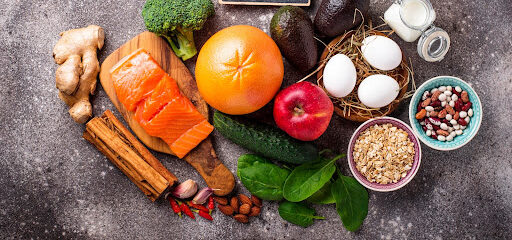
- Certain foods are known to trigger inflammatory responses, aggravating autoimmune symptoms. These may include ultra-processed foods, high fructose corn syrup, and artificial sweeteners.
- On the other hand, anti-inflammatory foods, such as leafy greens, olive oil, and other nutrient-dense foods, can help reduce inflammation and improve symptoms.
- Understanding potential food triggers and the benefits of anti-inflammatory foods is crucial in crafting a diet that supports autoimmune health.
The Impact of Diet on Autoimmune Disease Symptoms:
- The proper diet can significantly reduce symptoms like joint pain, brain fog, and fatigue, commonly associated with autoimmune diseases.
- For instance, the Autoimmune Protocol (AIP) diet, which eliminates potential inflammatory foods and reintroduces them gradually, has shown promise in reducing symptoms.
- Clinical studies have highlighted the benefits of diets rich in specific nutrients that support immune function and reduce inflammation.
Personalising Your Diet for Autoimmune Health
- Since every individual’s experience with autoimmune disease is unique, personalising the diet is essential.
- Factors such as individual nutrient deficiencies, digestive health, and personal food sensitivities must be considered.
- Working with a healthcare professional, like those at MH Performance, can help tailor a diet plan to your specific needs, ensuring you get the right balance of nutrients to support your autoimmune health.
In this section, we’ve explored diet’s critical role in managing autoimmune diseases. By understanding how certain foods impact the body and learning to incorporate more anti-inflammatory foods into your diet, you can take significant steps toward better managing your condition. Remember, the goal is not just to alleviate symptoms but to enhance overall health and well-being.
Anti-Inflammatory Diets
Understanding the Anti-Inflammatory Diet for Autoimmune Disease
- An anti-inflammatory diet is vital in managing autoimmune diseases.
- It involves consuming foods that help reduce inflammation and avoiding those that may trigger it.
Foods to Include and Avoid

- Include:
- Foods rich in omega-3 fatty acids like fish and flaxseeds.
- A variety of fruits and vegetables, particularly leafy greens, due to their anti-inflammatory properties.
- Healthy fats like olive oil and avocado oils.
- Avoid:
- Ultra-processed foods, an American diet staple, can exacerbate inflammation.
- Sugary items, including artificial sweeteners and high-fructose corn syrup.
- Excessive consumption of animal products can contribute to inflammation.
Practical Meal Planning Tips
- Plan meals that focus on a balanced diet rich in nutrient-dense foods.
- Emphasise plant-based foods and lean proteins to reduce inflammation.
Example Anti-Inflammatory Recipes
- Breakfast: Spinach and avocado smoothie with a splash of coconut milk.
- Lunch: Grilled salmon served with quinoa and a side of steamed vegetables.
- Dinner: Stir-fried tofu with brown rice, mixed vegetables, and olive oil.
Gut Health and Autoimmune Diseases
The Role of Gut Health in Autoimmune Diseases
- The digestive tract plays a crucial role in immune system regulation.
- Poor gut health can lead to heightened autoimmune responses.
Dietary Strategies to Promote Gut Health
- Probiotic-Rich Foods: Include yogurt and fermented foods to promote a healthy gut microbiome.
- High-Fiber Foods: Consume whole grains and legumes to maintain a healthy digestive system.
- Stay Hydrated: Drink plenty of water to support overall digestive health.
Elimination Diets and Autoimmune Diseases
Understanding Elimination Diets in Autoimmune Disease Management
- Purpose of Elimination Diets: In the context of the best diet for autoimmune disease, elimination diets play a crucial role. They help identify specific foods that trigger autoimmune responses and exacerbate symptoms.
- How It Works: The process temporarily removes potential food triggers from the diet. Common culprits include gluten, dairy, and processed sugars – which are known to cause inflammation in people with autoimmune conditions.
Step-by-Step Guide to Conducting an Elimination Diet
- Elimination Phase: Remove suspected trigger foods from your diet for a specified period, usually 3-6 weeks. This helps cleanse the body and reset the immune system.
- Tracking Changes: Maintain a detailed food diary during this phase. Record everything you eat and any changes in symptoms of autoimmune diseases.
- Reintroduction Phase: Gradually reintroduce eliminated foods, one at a time, while closely monitoring symptoms. This phase is crucial for pinpointing specific dietary triggers.
Importance of Professional Guidance
- Risk of Nutrient Deficiencies: Elimination of diets can lead to nutritional deficiencies if not properly planned. It’s essential to ensure a balanced intake of essential nutrients, even while eliminating certain foods.
- Consulting Experts: Before starting an elimination diet, consult with healthcare professionals. Dietitians can provide personalised advice on the best diet for autoimmune disease, ensuring you maintain a nutrient-rich diet.
Pros and Cons of Elimination Diets
- Benefits: When done correctly, elimination diets can significantly reduce inflammatory responses and improve overall health in autoimmune disease patients.
- Challenges: These diets can be restrictive and impact social and psychological well-being. Balancing these factors is critical in implementing a sustainable dietary plan.
Long-Term Management
- After identifying triggers, the long-term goal is to maintain a diet that avoids these foods while ensuring a diverse and balanced diet. For many, this may mean permanently adhering to an anti-inflammatory or autoimmune protocol diet.
Personalised Nutrition Plans
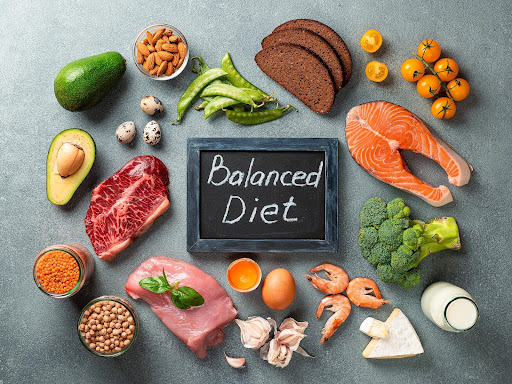
Tailoring Diets for Autoimmune Disease
- Customised Approach: Every individual’s experience with autoimmune disease is unique. Therefore, the best diet for autoimmune disease varies from person to person. Personalised nutrition plans consider dietary needs, preferences, and specific autoimmune conditions.
MH Performance’s Role in Creating Personalised Diets
- At MH Performance, our approach to crafting the best diet for autoimmune disease involves a comprehensive assessment of each individual’s health history, symptoms, and dietary preferences.
- Our team collaborates with nutrition experts to design diets that address autoimmune symptoms and improve overall health and well-being.
Incorporating Holistic Dietary Strategies
- Anti-Inflammatory Foods: Emphasise foods that reduce inflammation, like omega-3-rich fish, leafy greens, and berries.
- Gut Health Focus: Include probiotic and prebiotic foods to support a healthy gut microbiome, which is crucial in autoimmune health.
- Avoiding Processed Foods: Educate on the importance of avoiding processed and sugary foods that can exacerbate inflammation and autoimmune responses.
Consulting with Healthcare Providers
- We encourage clients to work closely with their healthcare providers. This collaboration ensures that dietary plans complement medical options and address specific needs related to autoimmune diseases.
Ongoing Support and Adjustments
- Regular Reviews: Dietary plans are regularly reviewed and adjusted based on individual progress and changes in health status.
- Support and Education: Our team provides continual support, educating clients on making informed food choices and understanding the connection between diet and autoimmune disease.
Lifestyle Considerations and Diet
Integrating Diet with Lifestyle for Autoimmune Disease Management
- Holistic Health Management: Managing autoimmune disease effectively requires a holistic approach, combining diet with other lifestyle factors.
- Stress Management: Chronic stress can worsen autoimmune symptoms. Incorporating stress-reduction techniques like mindfulness, meditation, or gentle exercise can have beneficial effects.
- Regular Physical Activity: Appropriate physical activity levels can complement dietary efforts to manage autoimmune diseases.
Creating a Balanced Lifestyle
- Sleep Hygiene: Prioritise good sleep hygiene as it is critical to immune function and overall health.
- Social Interactions: Navigating social gatherings and family meals can be challenging on a restrictive diet. Planning and communicating dietary needs can help maintain a social life while sticking to the best diet for autoimmune diseases.
- Environmental Considerations: Be aware of environmental factors that might impact autoimmune health, such as exposure to toxins or extreme weather conditions.
Empowering Clients for Sustainable Health
- Education on Food Choices: We provide resources and education on choosing foods that support autoimmune health, encouraging clients to make empowered decisions about their diet.
- Encouraging a Balanced Approach: While diet is crucial, it’s just one aspect of managing autoimmune diseases. A balanced approach that includes mental, emotional, and physical health is critical to long-term well-being.
Begin Your Health Transformation with MH Performance
Ready to take a bold step towards better health? Joining the MH Performance family is an exciting and empowering journey, and here’s how you can start:
- Reach Out to Us: Contact MH Performance today. It’s your first step towards a healthier you.
- Consult with Our Specialists: Our expert Autoimmune Specialists are eager to understand your unique health needs and challenges.
- Personalised Care: We don’t just listen; we tailor our approach to your health goals.
- Empowering Education: Learn about your condition and how to manage it effectively with our team’s guidance.
- Ongoing Support: We’re with you at every turn, providing continual support and advice.
Don’t let autoimmune challenges dictate your life. Take control now by contacting MH Performance. We’re excited and ready to help you embark on a transformative journey towards optimal health. Let’s make your well-being a priority together!